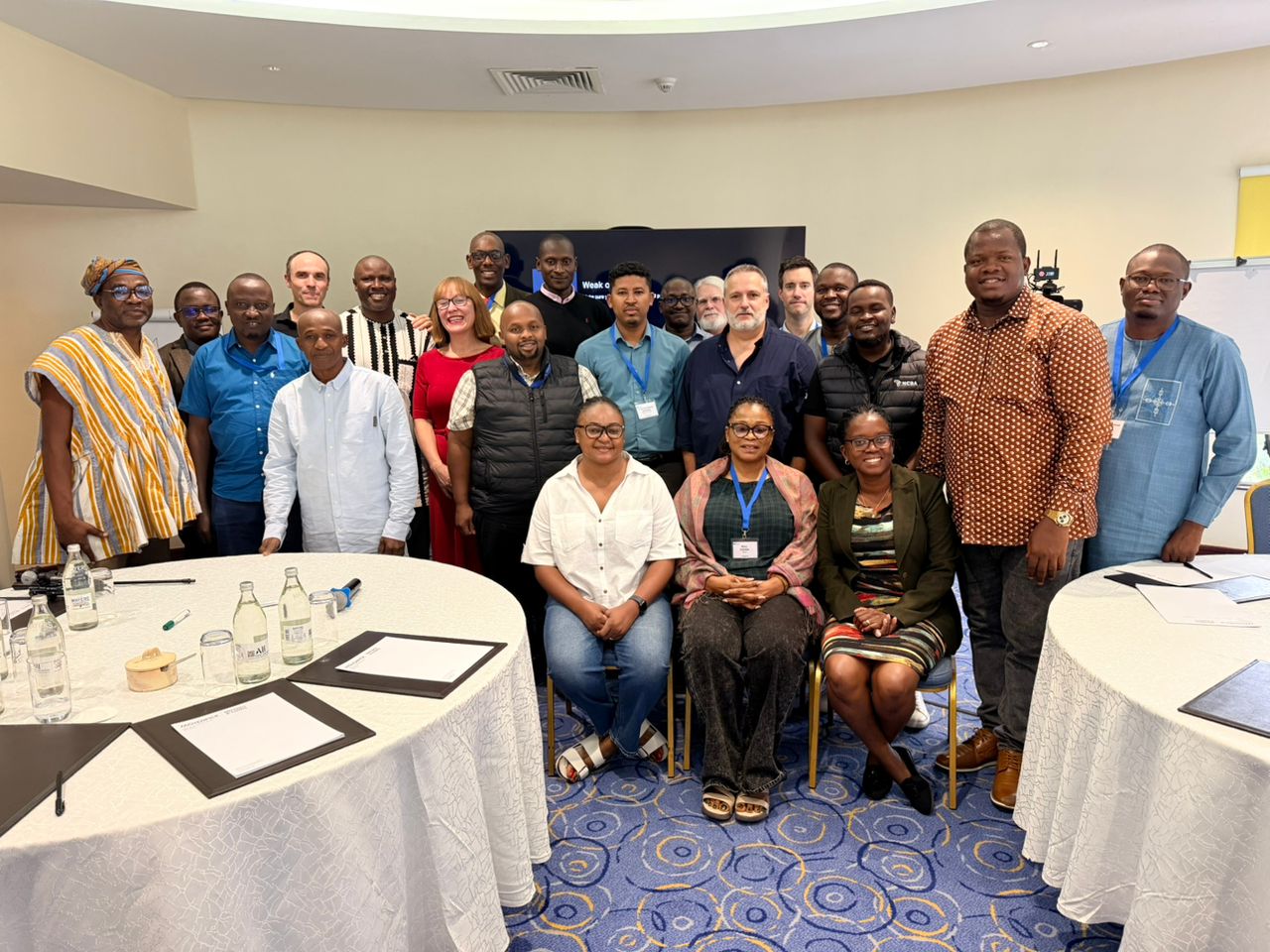
IVCC recently convened a multi-stakeholder workshop bringing together National Malaria Programmes (NMPs), industry partners, researchers and implementers to strengthen collaboration and inform the future of vector control.
A platform for shared learning and forward planning
The workshop was designed to support country-led decision-making and foster greater alignment across the malaria ecosystem. Key objectives included:
- Updating NMPs on IVCC’s portfolio and market access approach
- Sharing progress on novel vector control tools in the development pipeline
- Understanding country needs to better inform future intervention design
- Creating space for NMPs to exchange best practices and experiences
- Exploring the growing importance of domestic funding for vector control
Bringing together diverse expertise
The workshop convened representatives from National Malaria Programmes across Uganda, Democratic Republic of the Congo, Ethiopia, Benin, Rwanda, Zambia, Nigeria, Cameroon, Liberia, Senegal, Côte d’Ivoire, Ghana and Mali.
They were joined by manufacturers including SC Johnson, VKA Polymers, Widder Bros., and Goizper; leading research institutions such as Swiss TPH, University of Notre Dame, Tulane University, MUST/UNC and Liverpool School of Tropical Medicine (LSTM); and implementing partners including PMI Evolve and Catholic Relief Services.
The IVCC delegation was led by CEO Justin McBeath, alongside colleagues from across the organisation, reflecting the importance of cross-sector collaboration in addressing evolving vector control challenges.
Key insights shaping future approaches
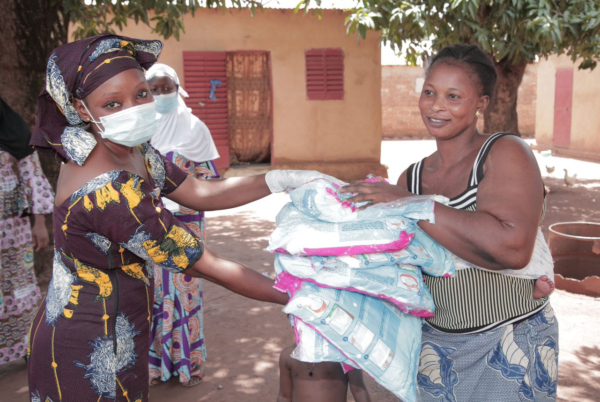
Discussions highlighted several factors influencing insecticide-treated net (ITN) procurement and deployment decisions at country level.
Funding and cost considerations remain central, with availability of resources and ITN pricing continuing to shape procurement choices.
Product characteristics also play a critical role. Preferences around fabric, as well as net colour, size and shape, influence both procurement and use. For example, conical nets are prevalent in urban settings, while rectangular nets are more commonly used in rural areas.
Durability and usability emerged as key priorities, alongside the need to respond to local insecticide resistance profiles.
Looking ahead, participants highlighted that with greater flexibility in funding structures, procurement decisions could more consistently reflect country-specific entomological data and community preferences, including tailoring ITN types to different settings to improve uptake and sustained use.
Collaboration to inform product development
Workshops like this play a critical role in ensuring that innovation is aligned with real-world needs.
For IVCC, the engagement provided valuable insights into country priorities, helping to inform the development and deployment of next-generation vector control tools. For NMPs, it created an opportunity to engage directly with manufacturers and researchers, building awareness of new tools and supporting future adoption and scale-up.
The workshop also strengthened partnerships across the malaria community, allowing space for knowledge exchange and more integrated approaches to vector control.
As countries continue to adapt to evolving challenges, sustained collaboration between programmes, industry and researchers will be essential to ensure that effective, appropriate tools reach the communities that need them most.