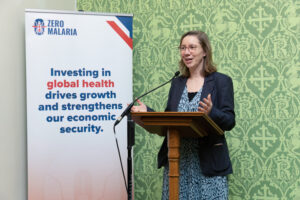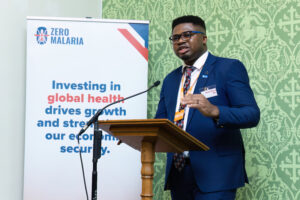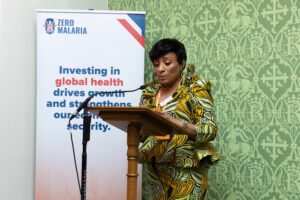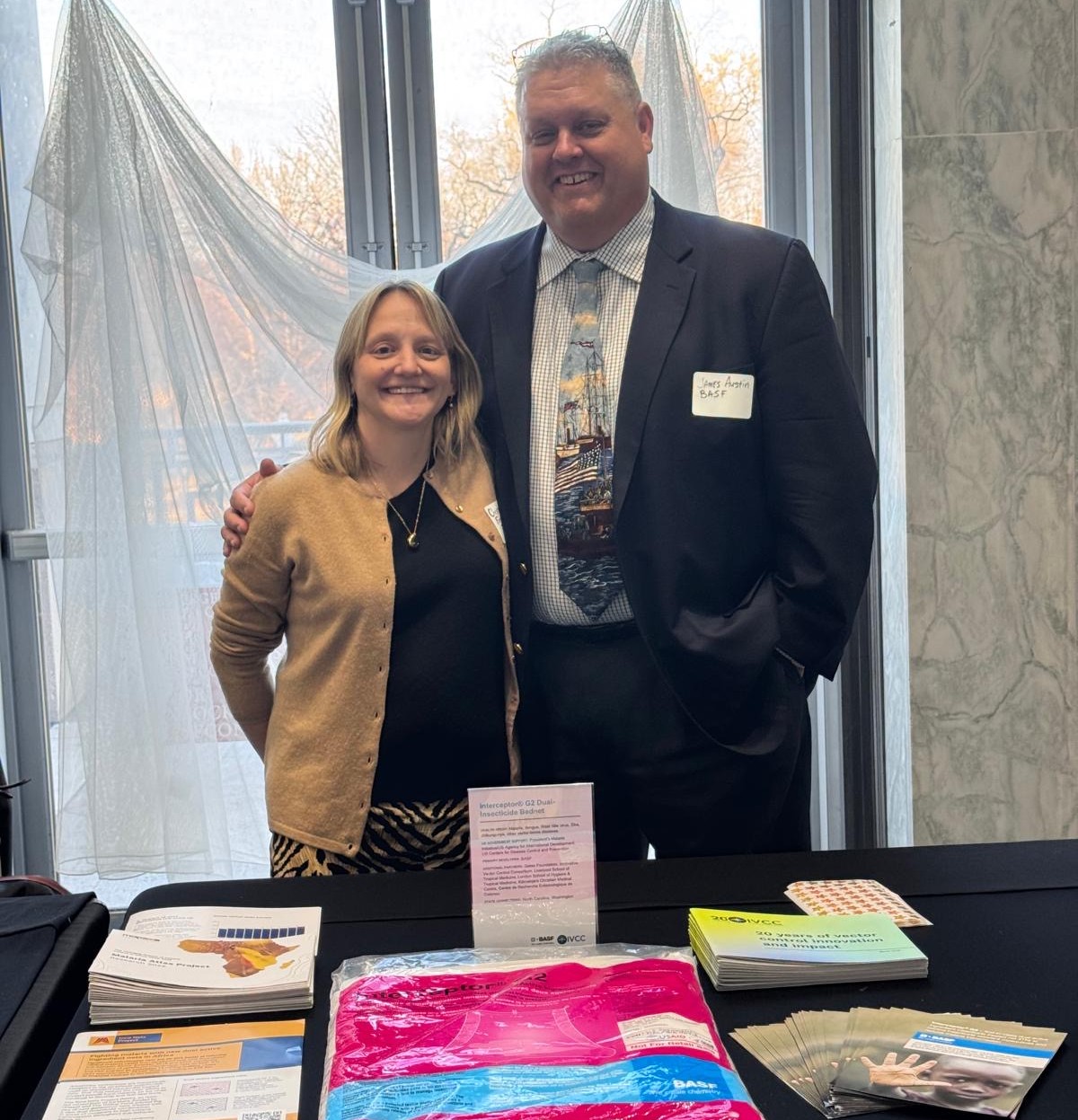
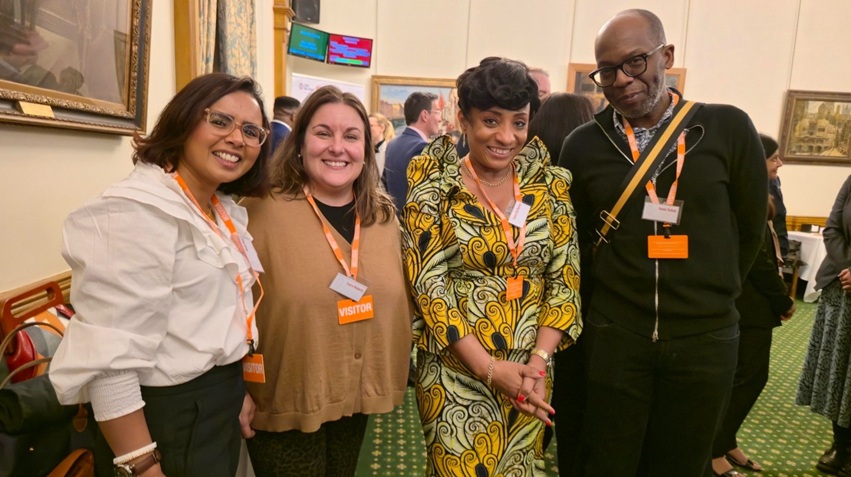
IVCC attended a parliamentary reception in December marking the launch of the 2025 World malaria report. Hosted by Malaria No More UK at the House of Commons, the event brought together policymakers, researchers, funders, and delivery partners from across the malaria community to discuss the state of global malaria control and the path forward.
The reception featured opening remarks highlighting the importance of sustained global collaboration, setting the stage for discussion on how countries most affected by malaria continue to balance progress with mounting pressures on their health systems.
A growing challenge
Discussions centred on findings from the World Health Organization’s 2025 World Malaria Report and what is needed to sustain progress in the years ahead. Speakers reflected on the scale of challenges facing malaria control, including funding pressures, population growth, climate change, and growing insecticide and drug resistance.
H.E. Mrs Sabah Zita Benson, Ghana’s High Commissioner-Designate to the United Kingdom, emphasised the critical role of strong bilateral and multilateral partnerships in the fight against malaria. Describing malaria as one of Ghana’s foremost health emergencies, the address acknowledged the significant burden it places on the country’s health systems while highlighting Ghana’s resilience and political resolve. The High Commissioner praised UK-led research and product development as key drivers of global progress, while calling for accelerated investment, rapid and equitable access to new tools, and stronger, more resilient health systems.
Voices from affected communities
Odinaka Kingsley Obeta, a youth leader from northern Nigeria, representing the RBM Partnership, brought a powerful personal perspective to the discussion. Having survived malaria himself, he addressed common misconceptions surrounding the disease and stressed that sustained political commitment and consistent financing are essential. He framed malaria funding not as charity but as an investment in economic productivity and the future of affected communities.
The race against resistance
Cristina Donini, from Medicines for Malaria Venture (MMV), warned that drug resistance is an evolutionary certainty. While artemisinin-based combination therapies remain effective, partial resistance has now been identified in Africa. She outlined the urgent need for transformative new medicines, including progress towards non-artemisinin treatments announced at the American Society of Tropical Medicine and Hygiene conference, alongside the evolution of prevention tools such as vaccines and long-lasting injectables.
Innovation delivering results
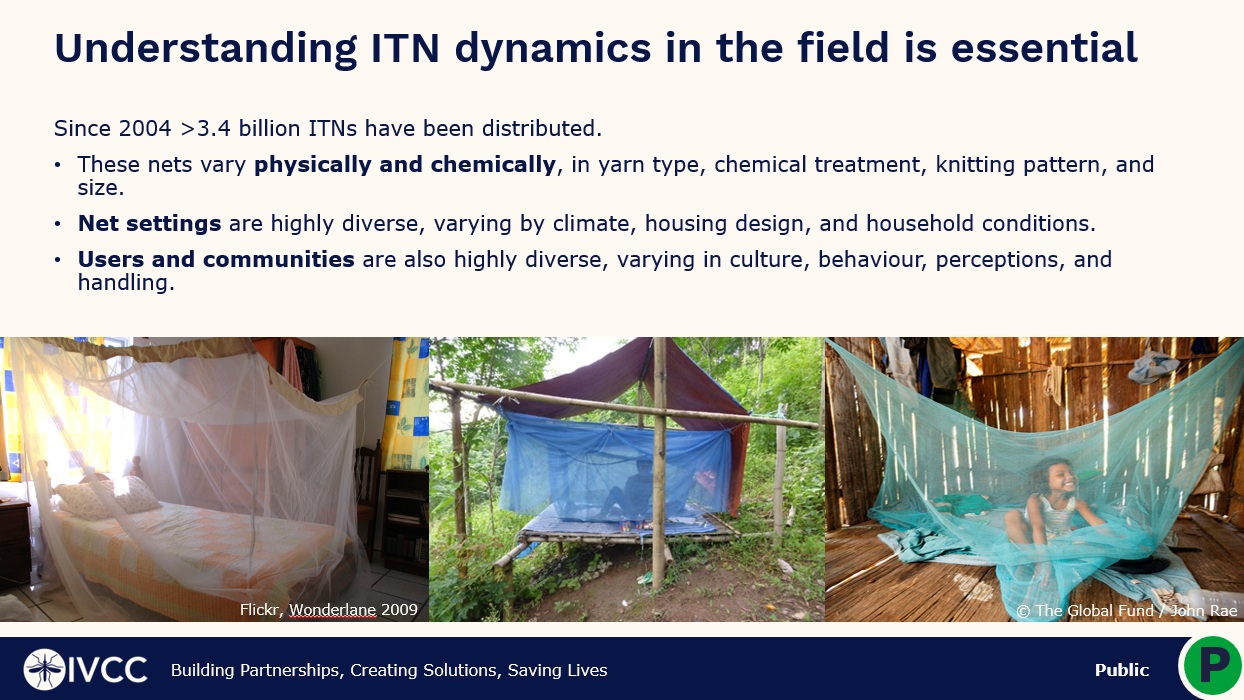
The report’s data demonstrate how rapidly vector control has evolved. Next-generation insecticide-treated nets accounted for 84% of global shipments in 2024, up from just 10 percent in 2019. These advanced nets offer stronger protection in areas affected by pyrethroid resistance, now confirmed in 48 of 53 monitored countries.
New analysis from the Malaria Atlas Project underscores the scale of progress achieved to date. Vector control has helped avert more than 1 billion malaria cases and 3.5 million deaths since 2000. Despite this remarkable impact, the report records 282 million malaria cases in 2024, reinforcing the critical need to sustain momentum.
Call to action
The event underlined the importance of continued political leadership and long-term investment in malaria research and delivery. Ending malaria remains achievable, but only if global commitment is sustained and translated into action on the ground.