IVCC joined global health leaders in Berlin for the World Health Summit 2026, contributing to discussions about the role of Product Development Partnerships (PDPs) in supporting innovation for diseases and public-health needs that are underserved by conventional markets.
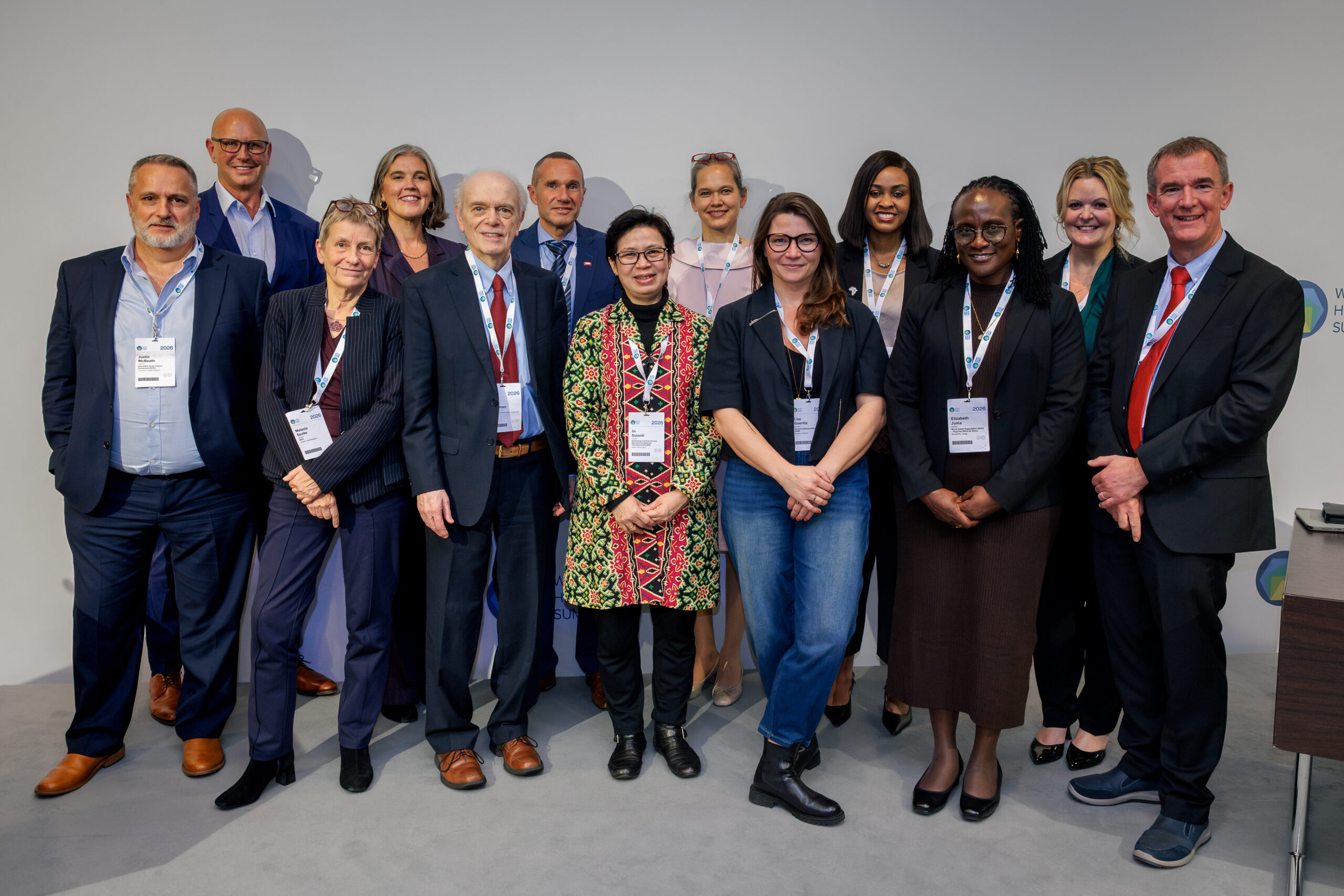
The session, The Product Development Partnerships model and its role in shaping global health architecture and ending diseases of poverty, brought together representatives from governments, Product Development Partnerships (PDPs), industry and other global health organisations. It was co-hosted by IVCC, Medicines for Malaria Venture, DNDi, PATH, Population Council and TB Alliance, with support from Deutsche Stiftung Weltbevölkerung (DSW), the Global Health Technologies Coalition and the PDP Funders Group.
Against a backdrop of constrained funding and wider debate about the future of global health, the discussion focused on the role PDPs play in connecting public-health priorities with the expertise, partnerships and investment needed to develop accessible health innovations.
Achim Reddig, Director of Global Public Health at BASF, joined the first panel to discuss the role of private-sector partnerships within the PDP model. He highlighted:
“Private-sector science stays engaged when partnerships align innovation with real-world public health needs.”
This is particularly important in areas where conventional commercial incentives are limited. PDPs bring together public, private, philanthropic, research and country partners, combining the expertise and resources needed to develop products around
identified public-health needs. By sharing risk and aligning investment, they enable work that no single organisation could easily undertake alone.
Justin McBeath, IVCC CEO, took part in the second panel, which considered how PDPs can support evidence generation, country decision-making and the effective deployment of new health innovations. He highlighted the need to look beyond the products available today:
“Surveillance helps us understand emerging challenges. We also need a pipeline of innovations ready to address them.”
For vector control, insecticide resistance provides a clear example. Surveillance and data help countries understand changing threats and make informed decisions, but those decisions also depend on having effective tools available. Maintaining a pipeline of innovation helps ensure countries have options as needs change.
The wider discussion reinforced an important point: developing a new product is not enough on its own. Evidence, policy, country decision-making, financing, procurement and implementation all influence whether innovations ultimately reach the people who need them. By bringing together partners across these areas, PDPs help connect identified public-health needs with the development and introduction of new tools.
Image credit: Kevin Fuchs