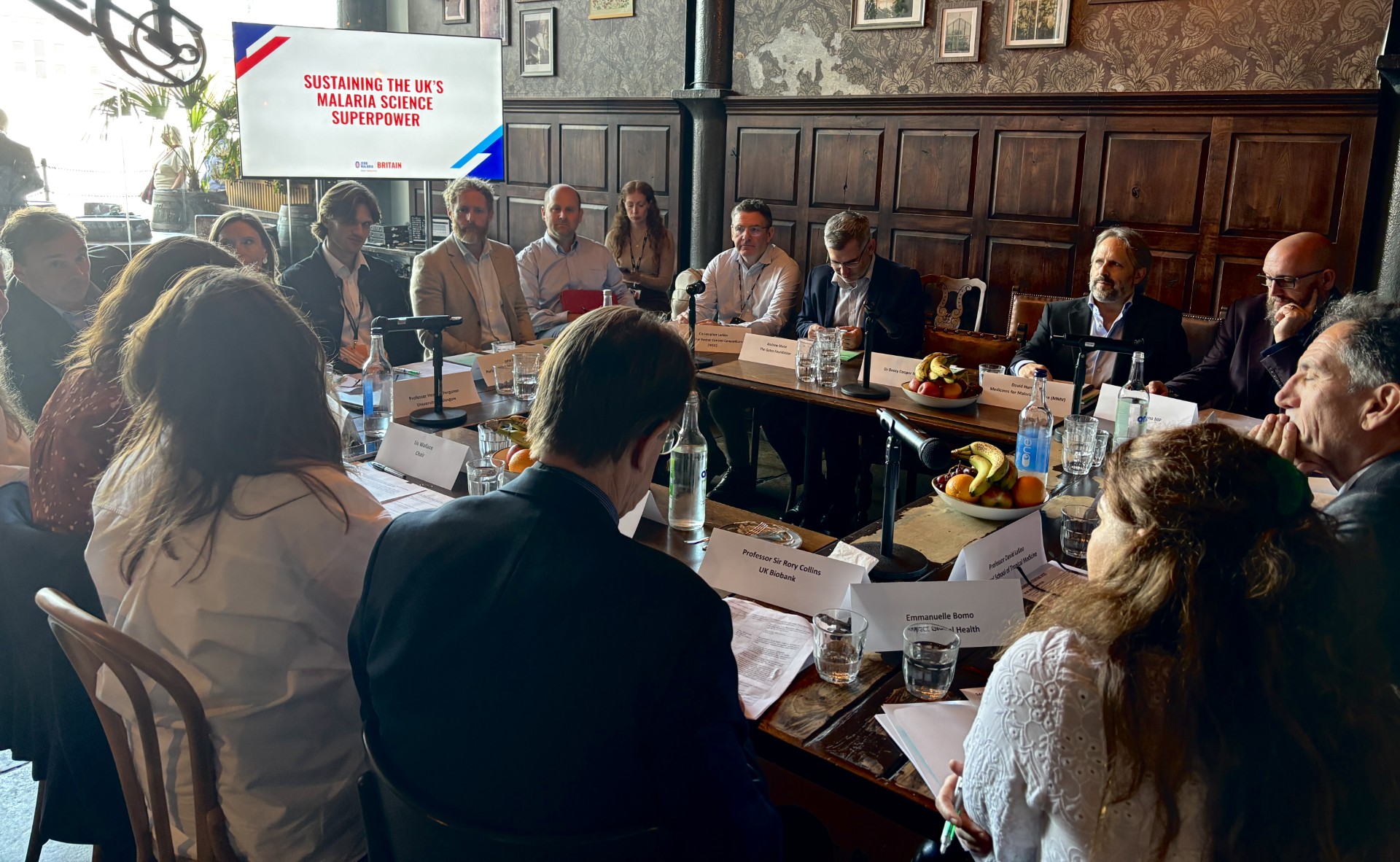
The inaugural Malaria Science Index highlights UK-backed scientists’ views on malaria research’s contribution to global health and UK health security, as well as the funding pressures that could put future innovation at risk.
Commissioned by Malaria No More UK and conducted by YouGov, the survey gathered the perspectives of 35 leading UK-backed malaria scientists working across medicines, vaccines, diagnostics, vector control and other areas of malaria research.
IVCC supported the project, alongside Imperial College London and the Liverpool School of Tropical Medicine. IVCC’s CEO, Justin McBeath, was part of the project’s steering committee, helping identifying participants and developing survey questions. Meanwhile, IVCC’s Senior Technical Coordinator, Christen Fornadel, participated in the survey as an expert respondent.
Among the scientists surveyed, 80% believed malaria science strengthens the UK’s health security, while 89% said it strengthens the UK’s global leadership in infectious disease research. The report describes how malaria research supports expertise and technologies with wider applications, including vaccine development, diagnostics and disease surveillance.
International collaboration emerged as a central theme. Of those surveyed, 91% regarded partnerships with sub-Saharan Africa as important to UK malaria R&D. The report highlights how these partnerships contribute to knowledge exchange, building research capacity, and the evaluation of new interventions in the settings where they are most needed.
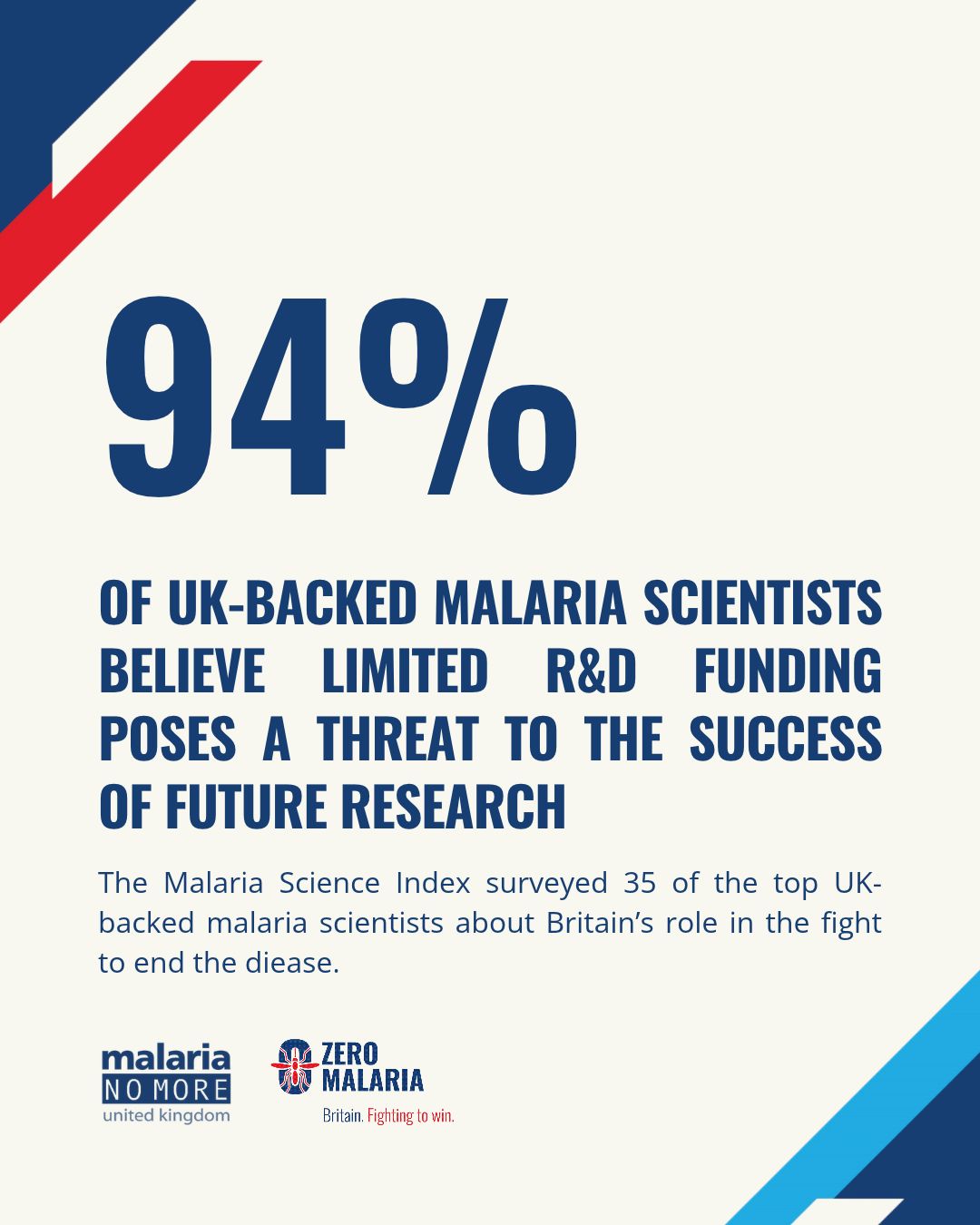
However, optimism about the research pipeline was accompanied by concern about its future. Limited R&D funding was rated a high or medium risk to future malaria innovation by 94% of respondents, making it the most frequently identified risk among those assessed.
The report calls for long-term investment in global health research and development, support for Product Development Partnerships and stronger international scientific partnerships to help translate research into health impact.
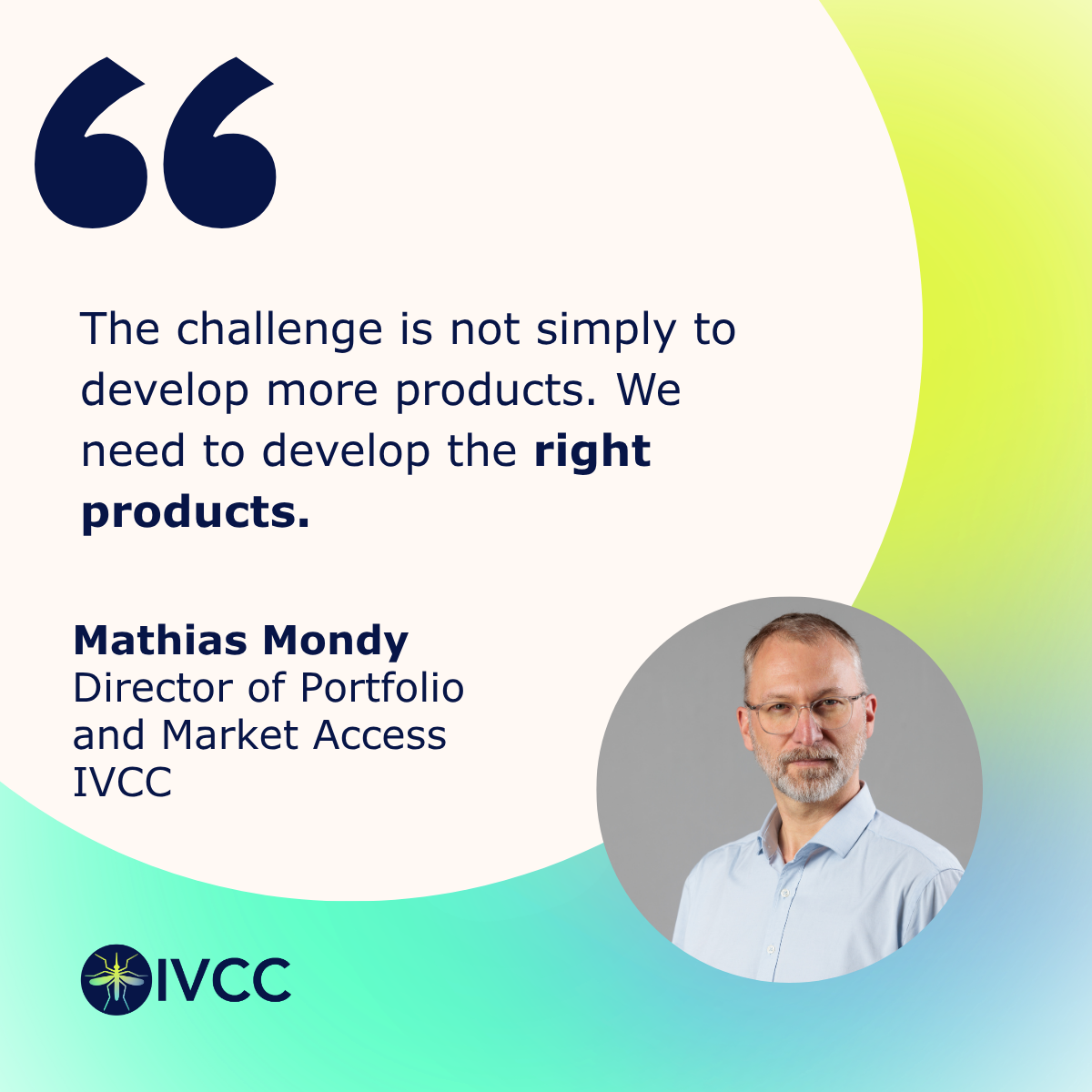
IVCC believes these findings reinforce the importance of sustained, long-term investment and international collaboration in developing new malaria tools. For vector control, continued support for research and product development is essential to expand the options available to protect communities from malaria transmission.
Read the full Malaria Science Index report.