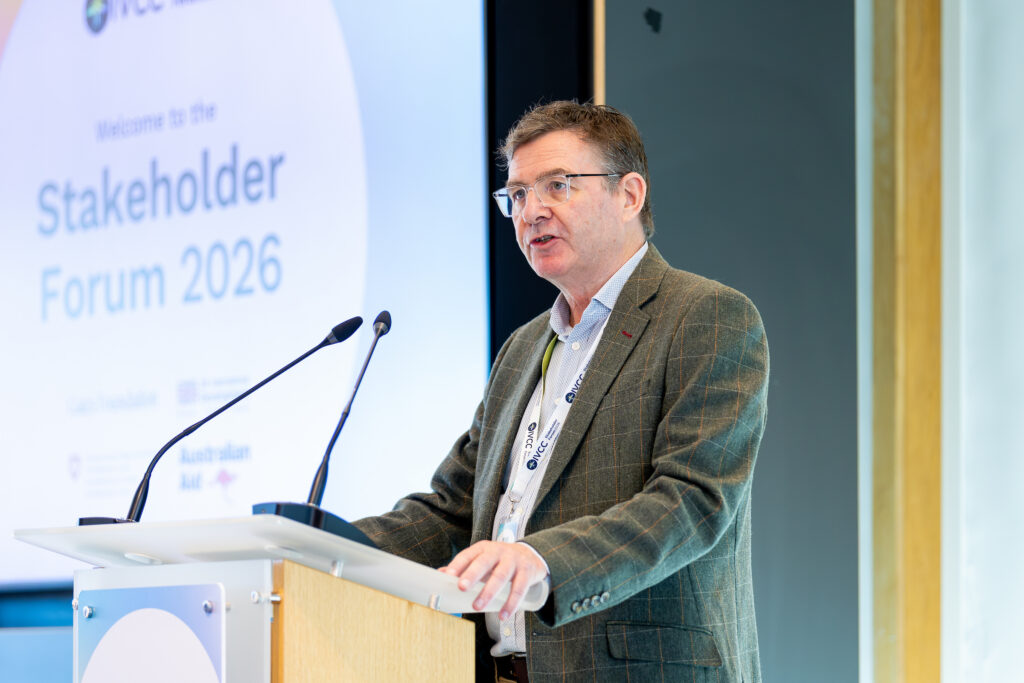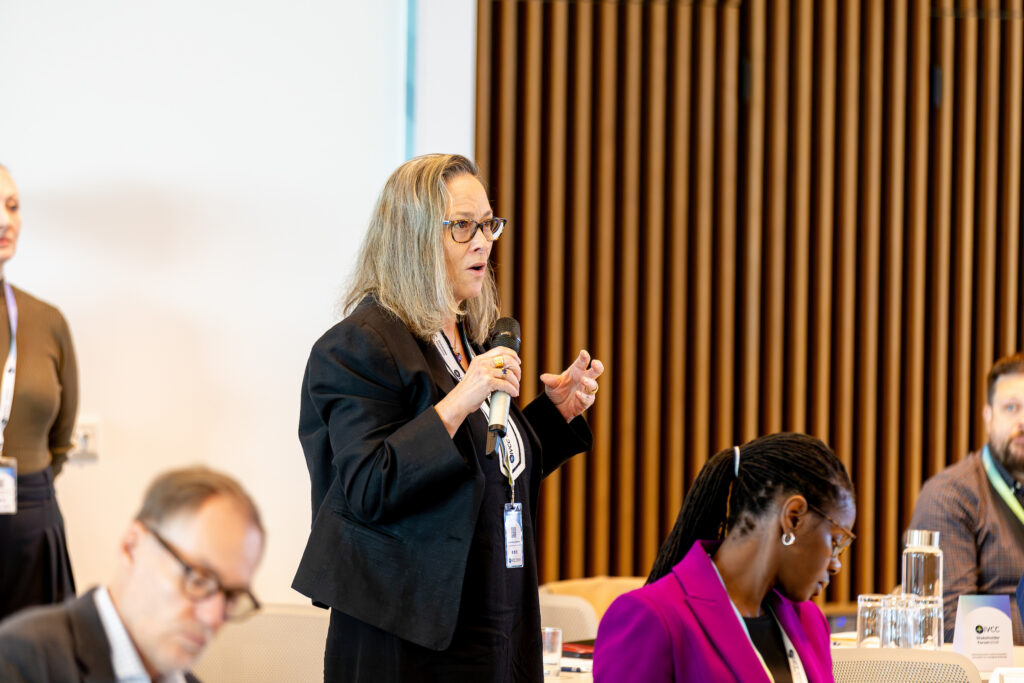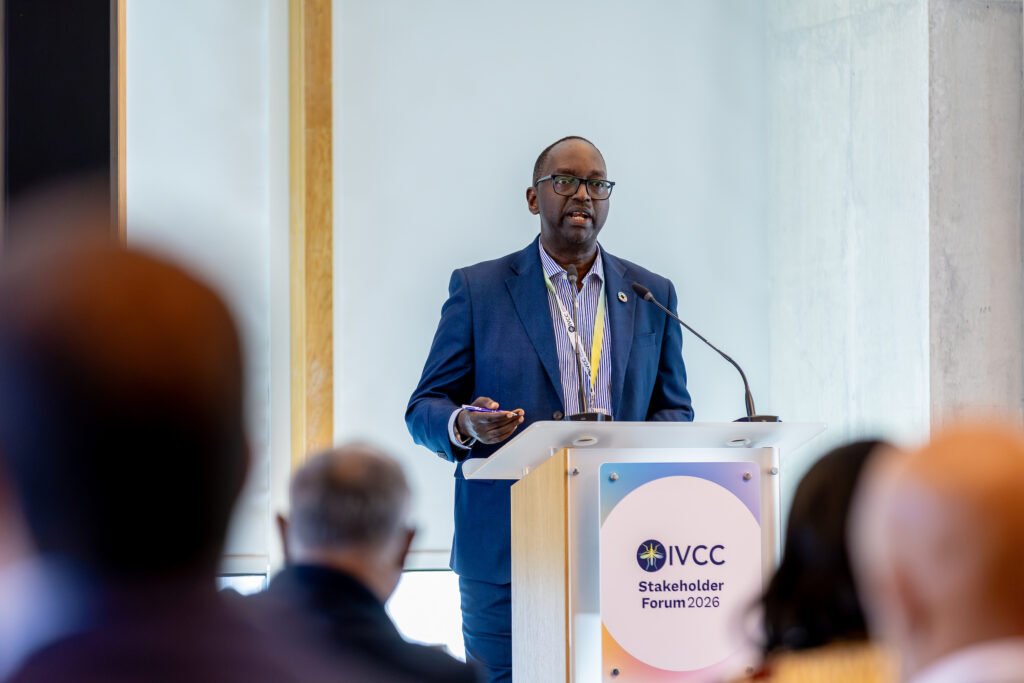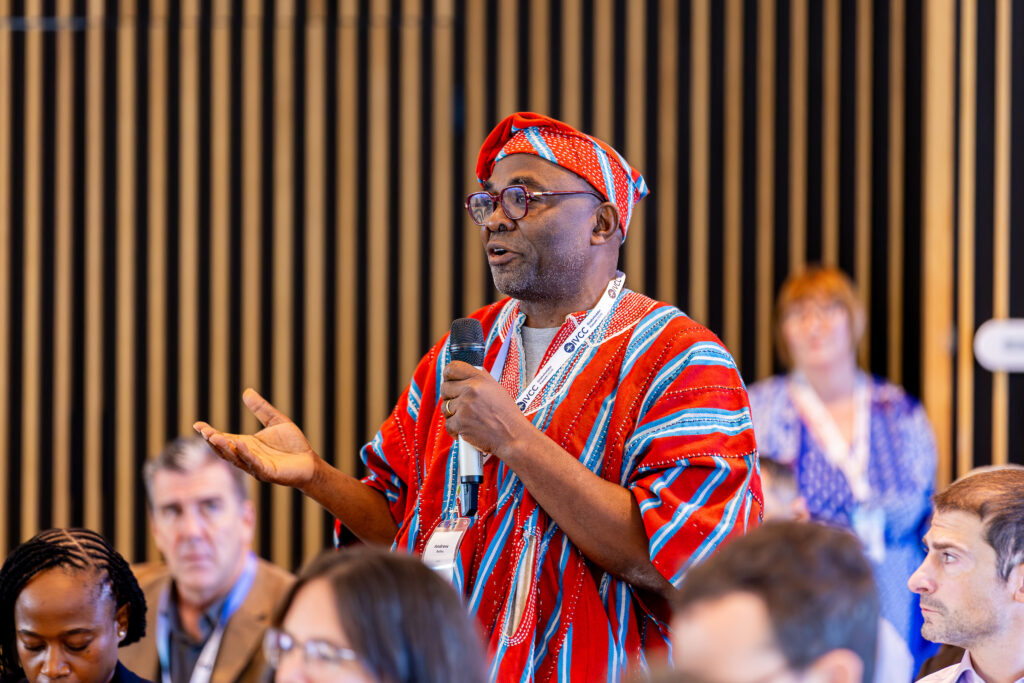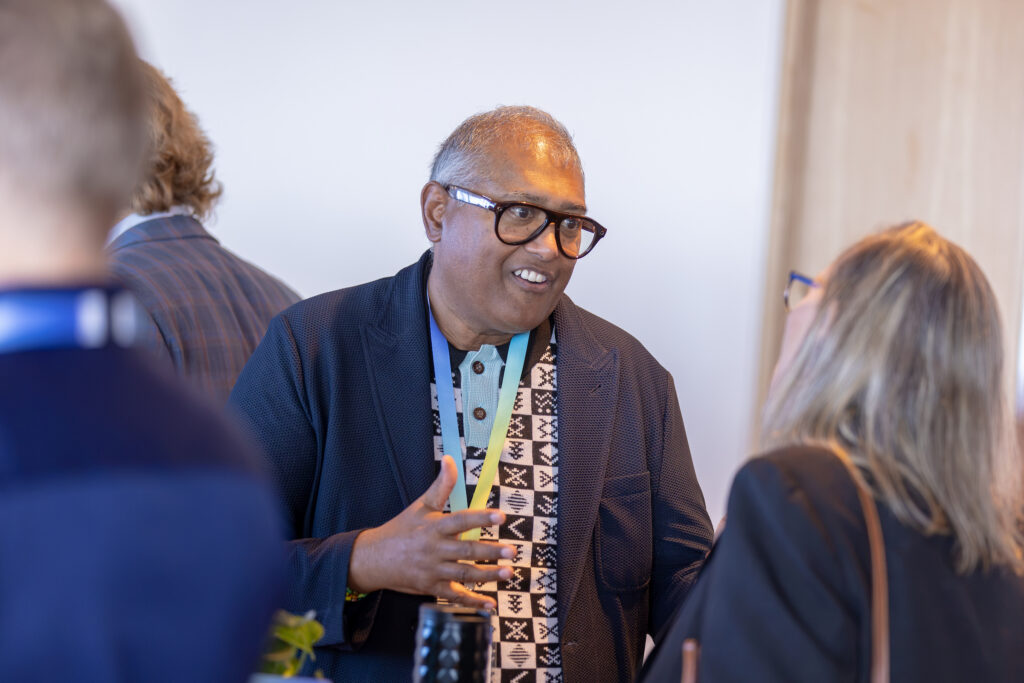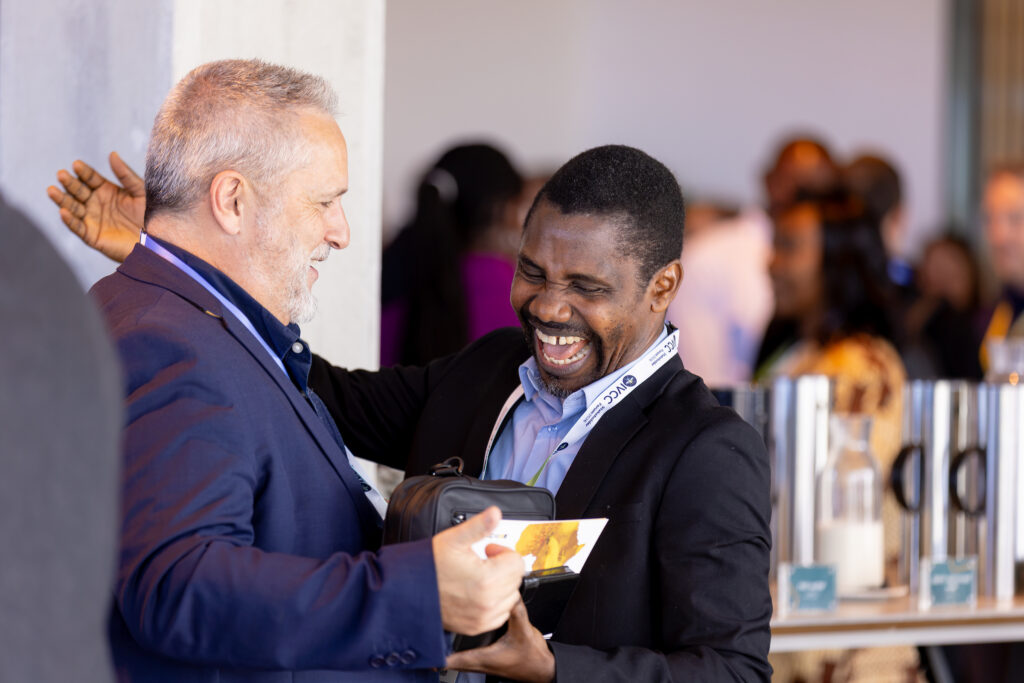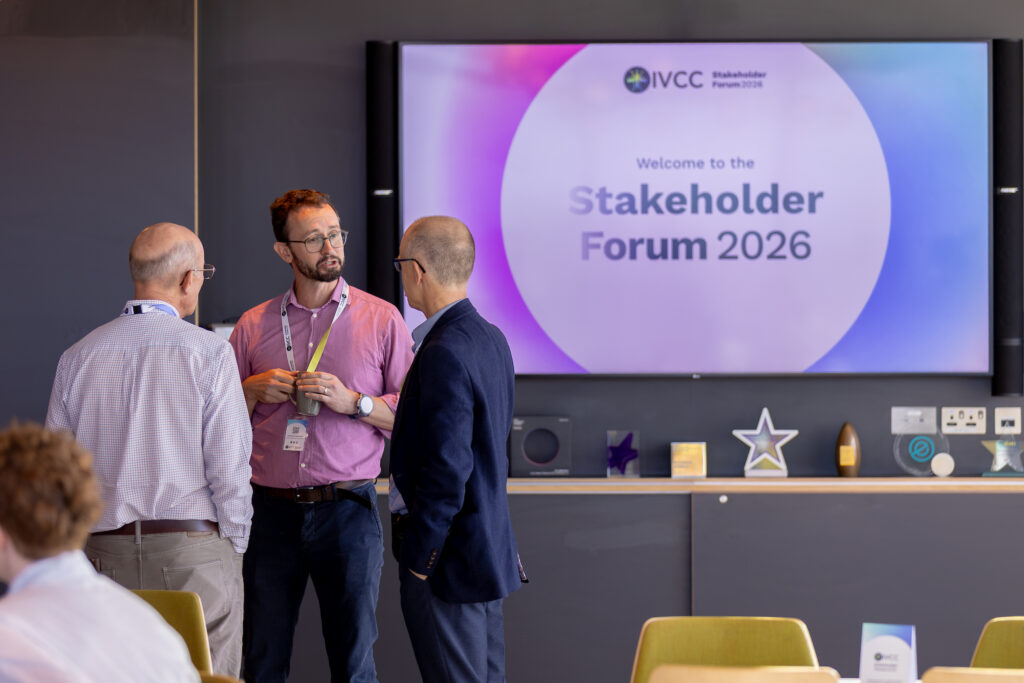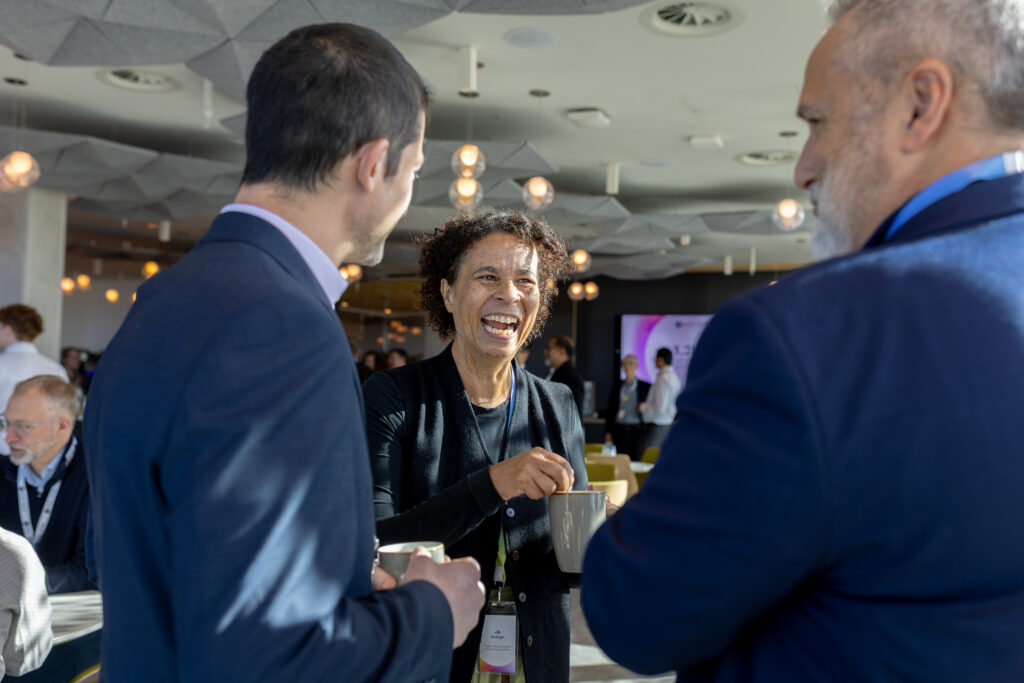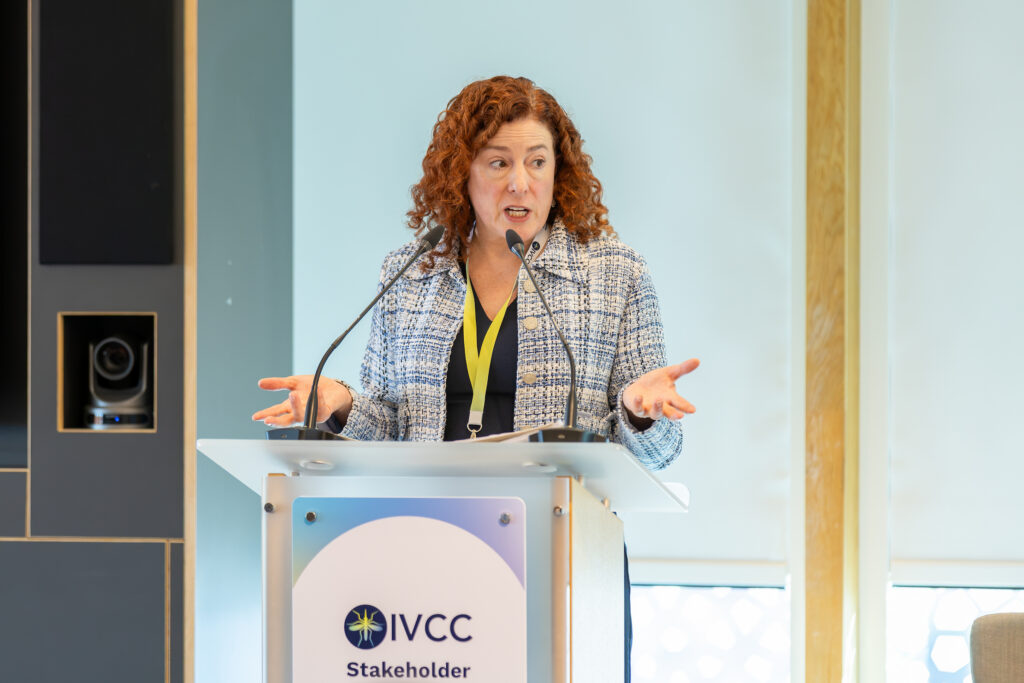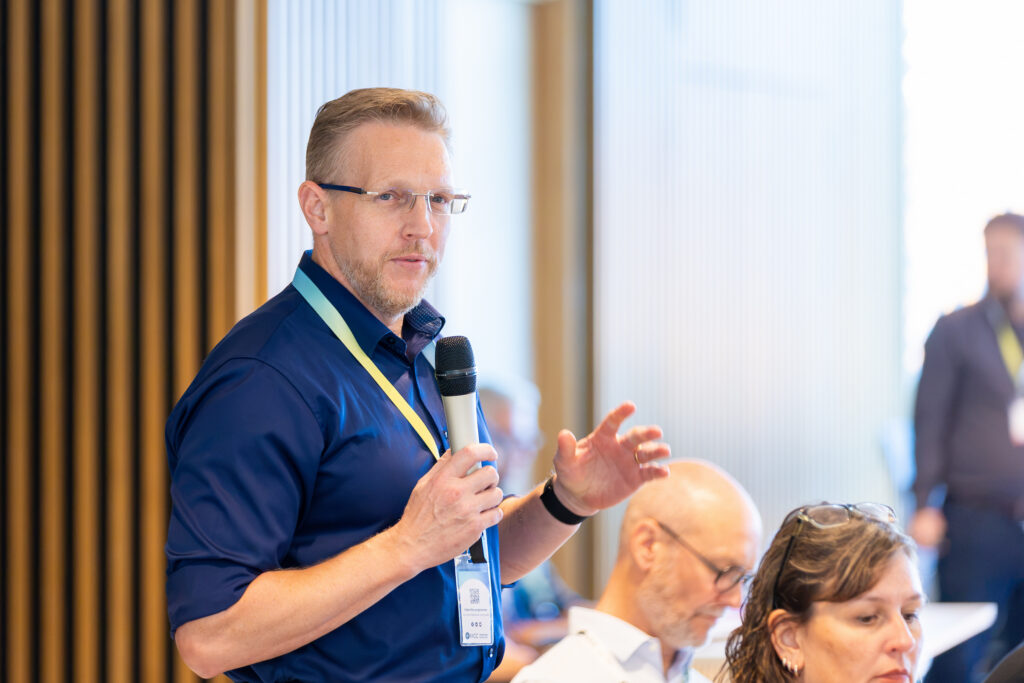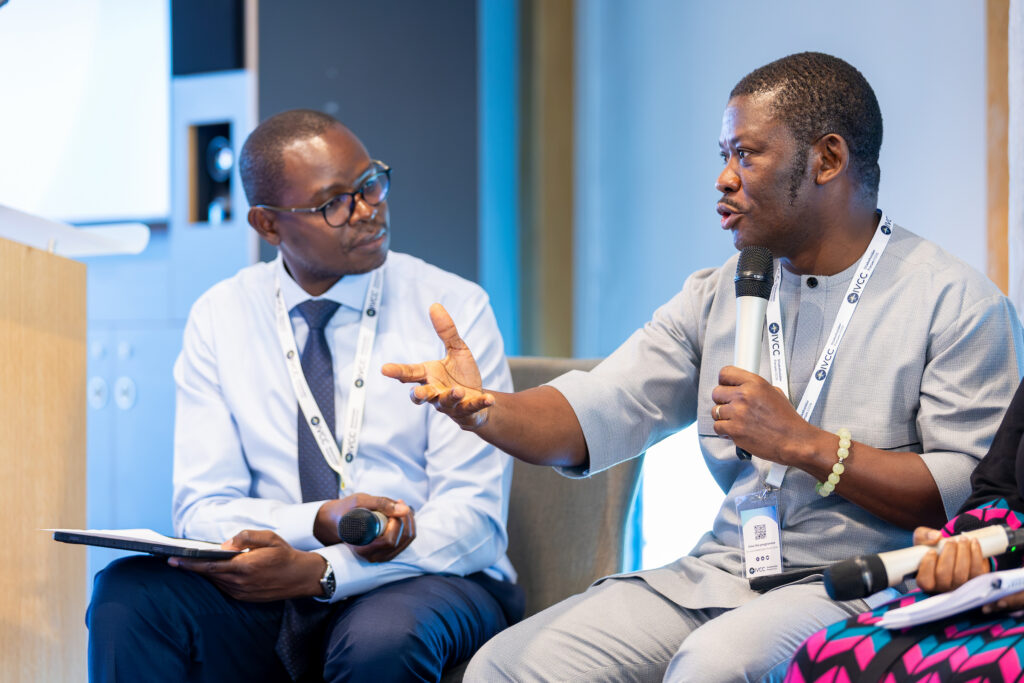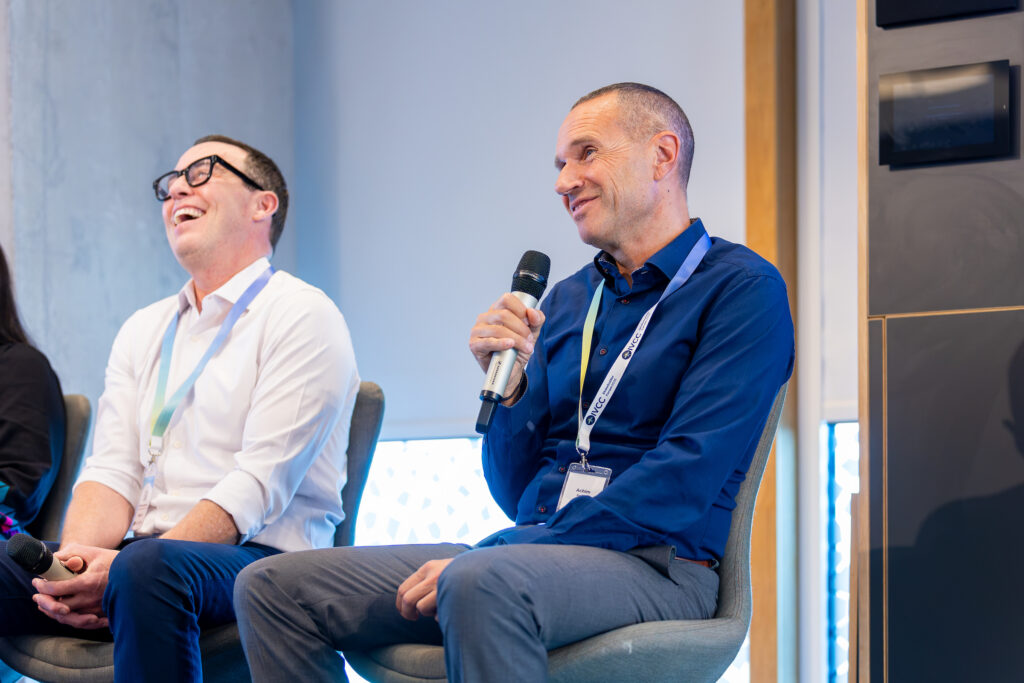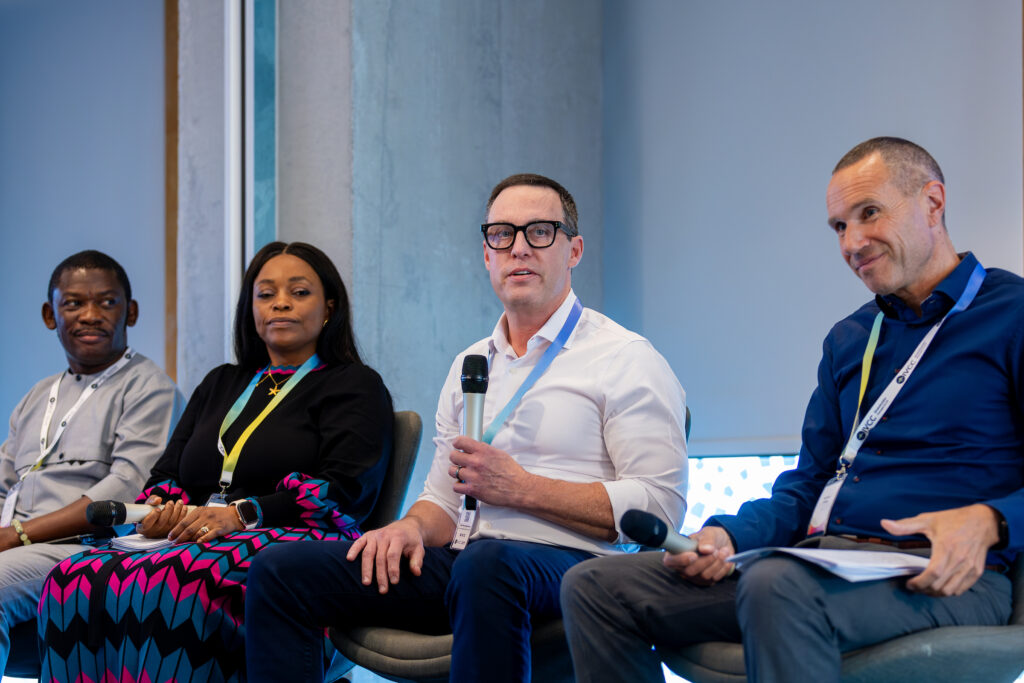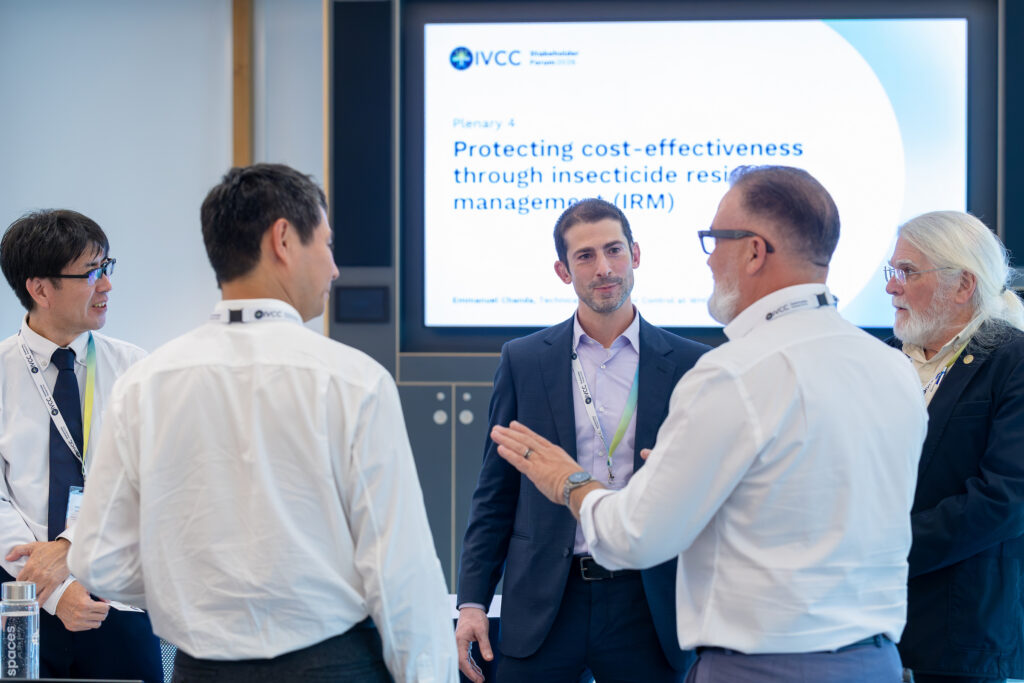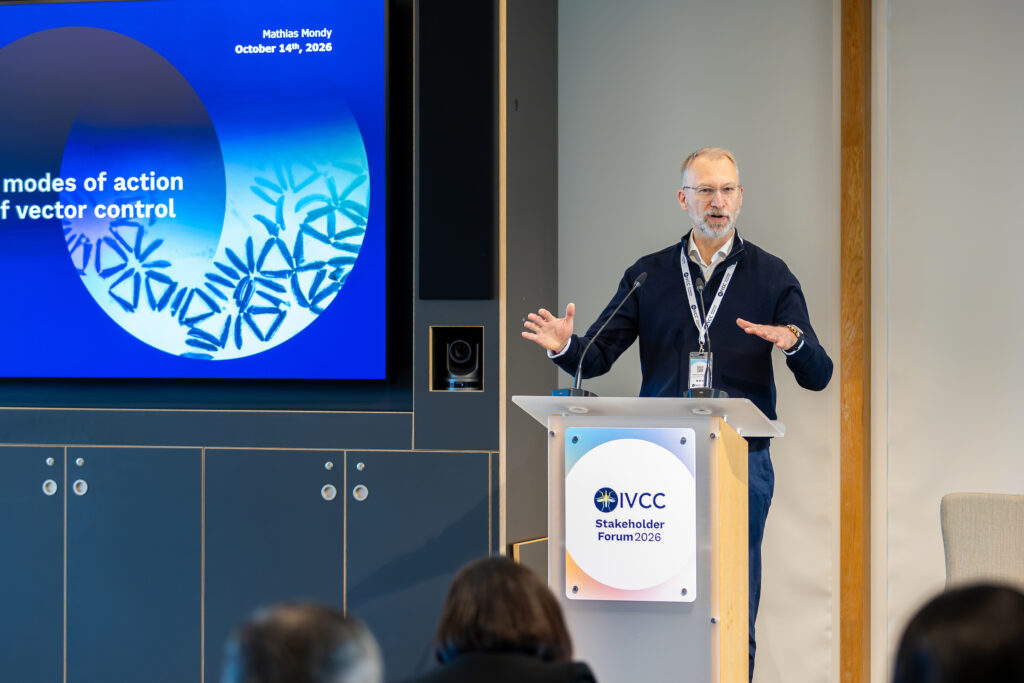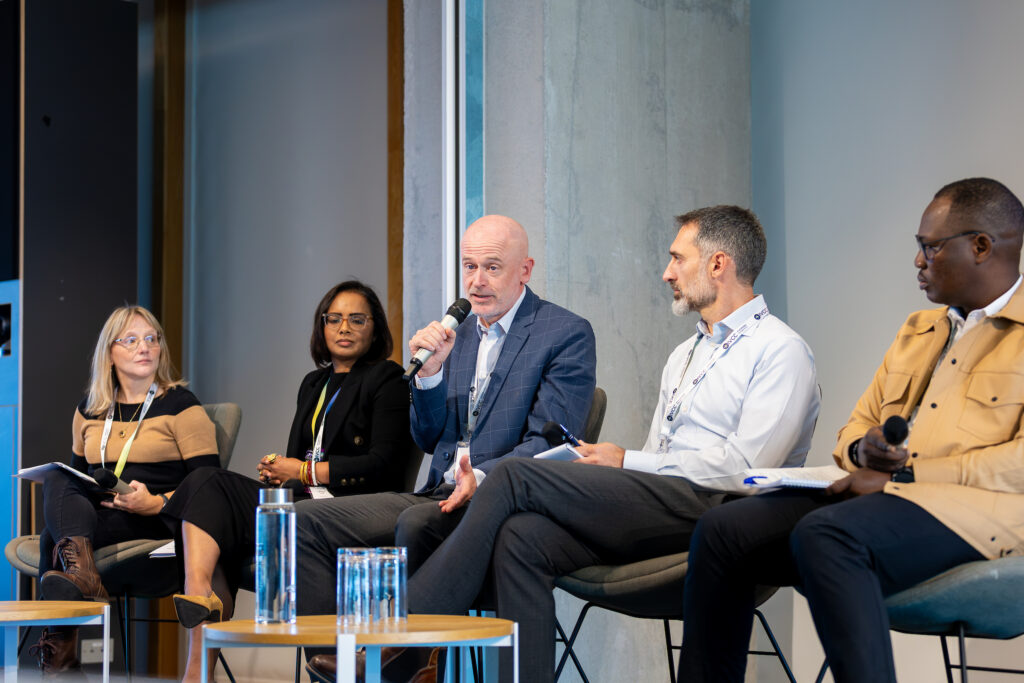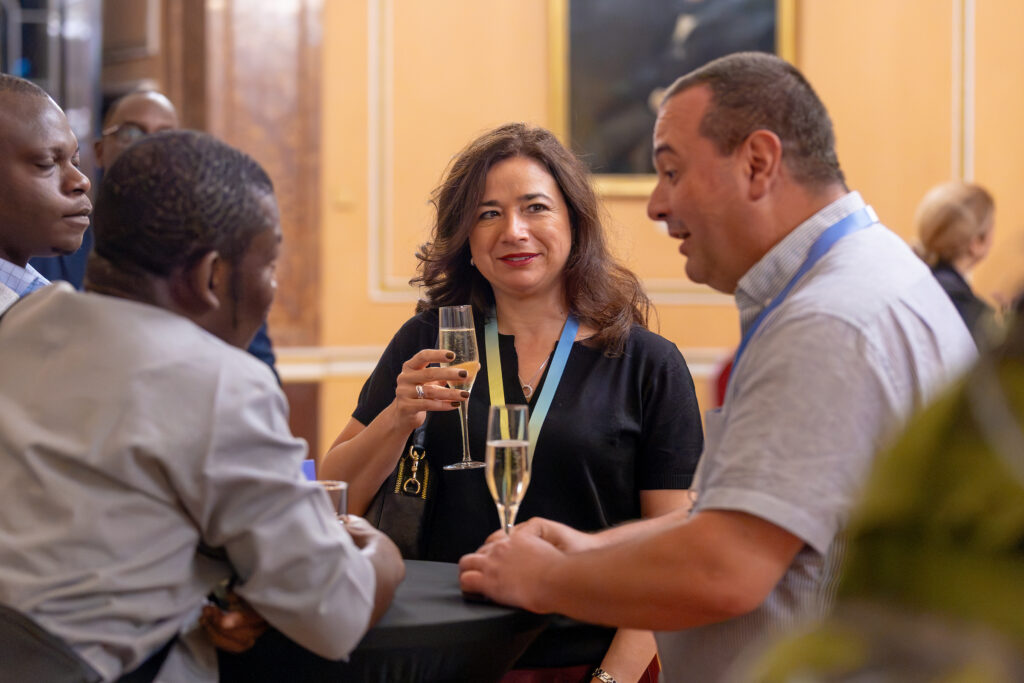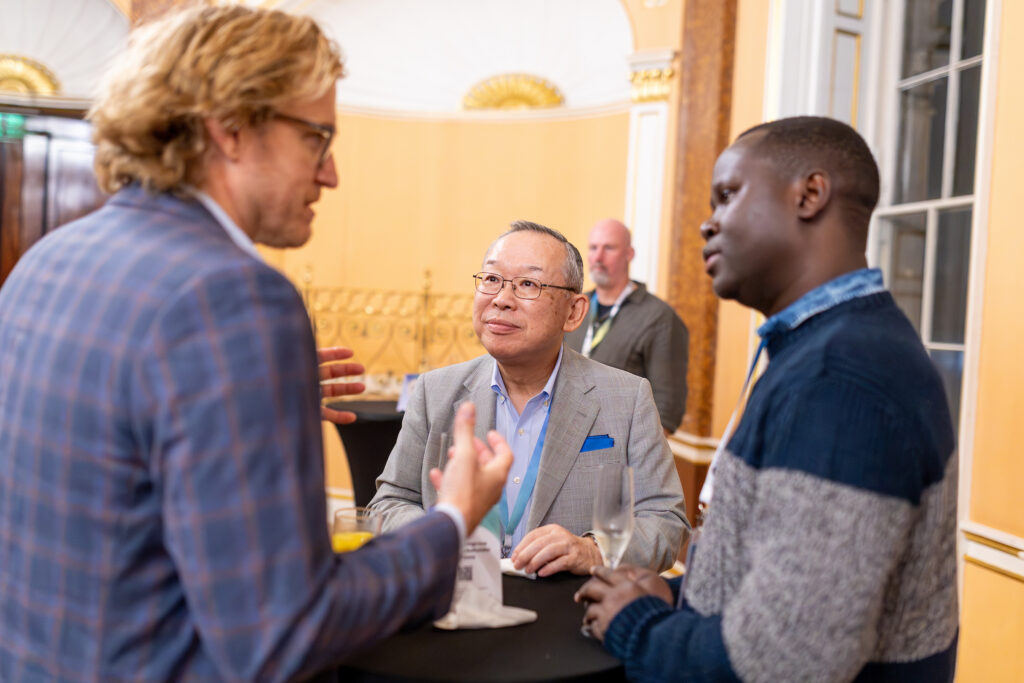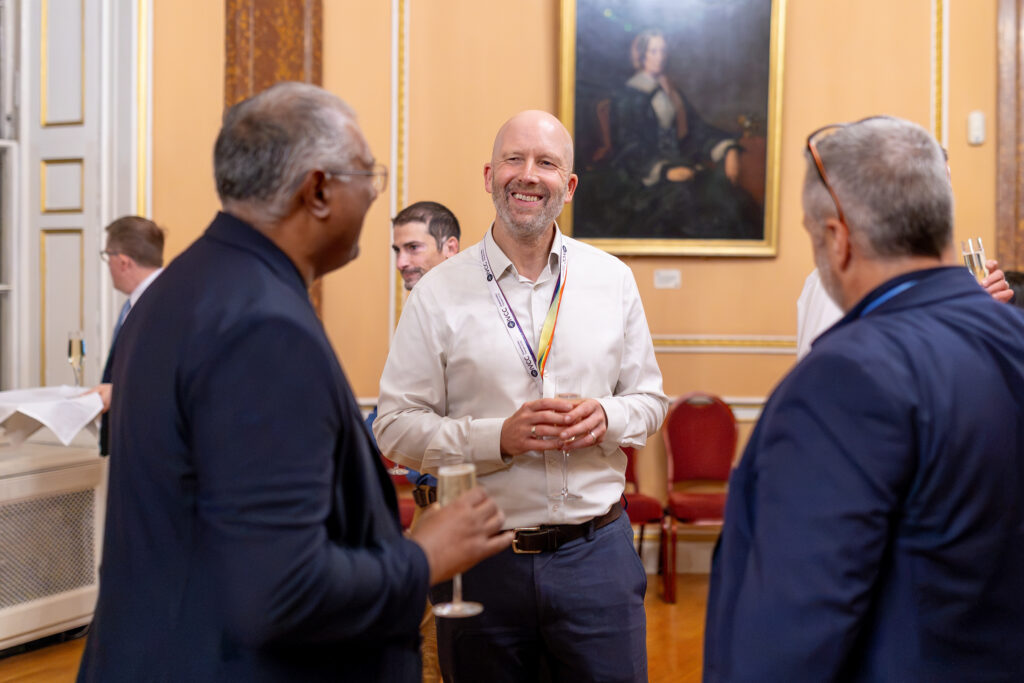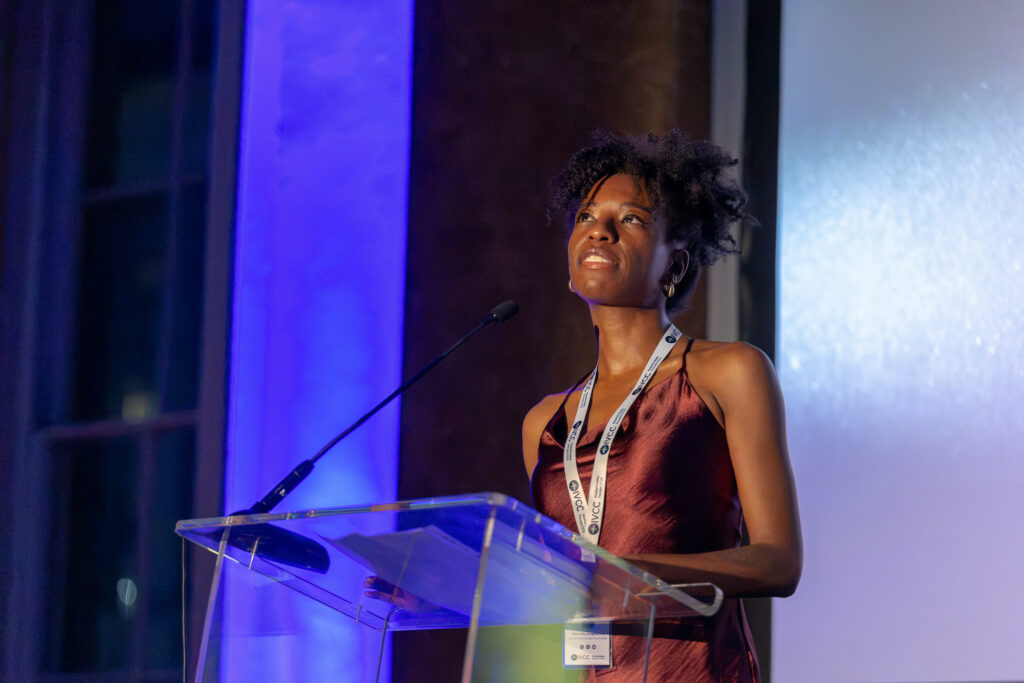
Protecting the effectiveness of existing vector control tools and ensuring new innovations meet the needs of countries fighting malaria were central themes at the IVCC Stakeholder Forum, held at The Spine in Liverpool on 13 and 14 October 2026.
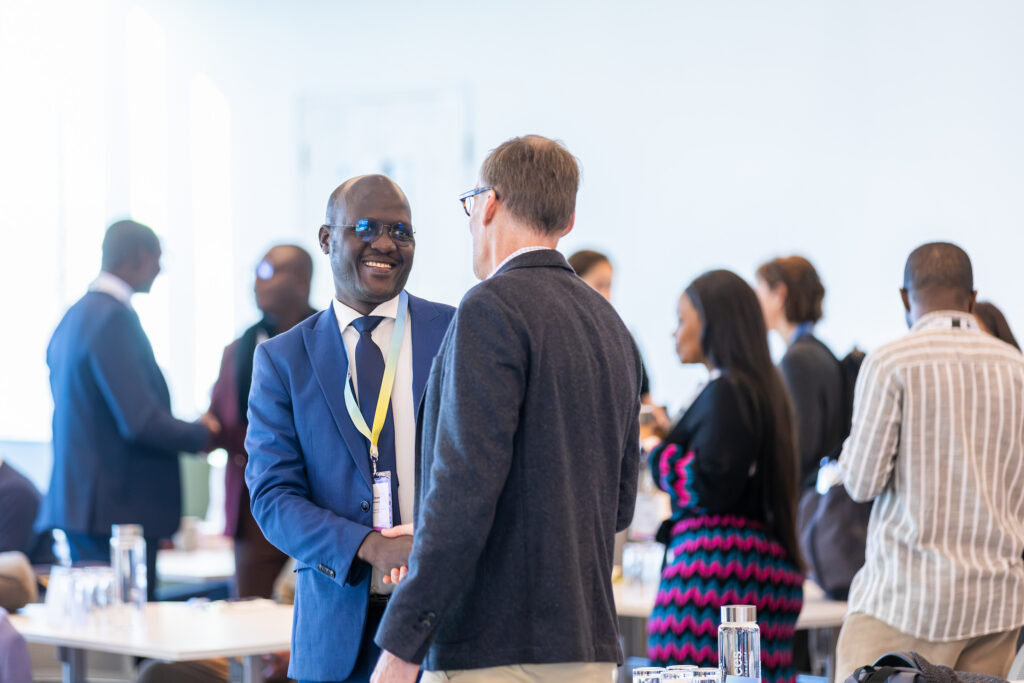
The Forum brought together researchers, industry partners, funders, policymakers, and representatives from national malaria programmes to explore how vector control can keep delivering impact amid growing insecticide resistance, funding constraints, and changing procurement dynamics.
Under the theme “Vector Control: Driving Innovation and Sustaining Impact in a Challenging Global Landscape”, discussions examined the choices and partnerships needed to safeguard the gains already made and support a sustainable pathway towards malaria elimination.
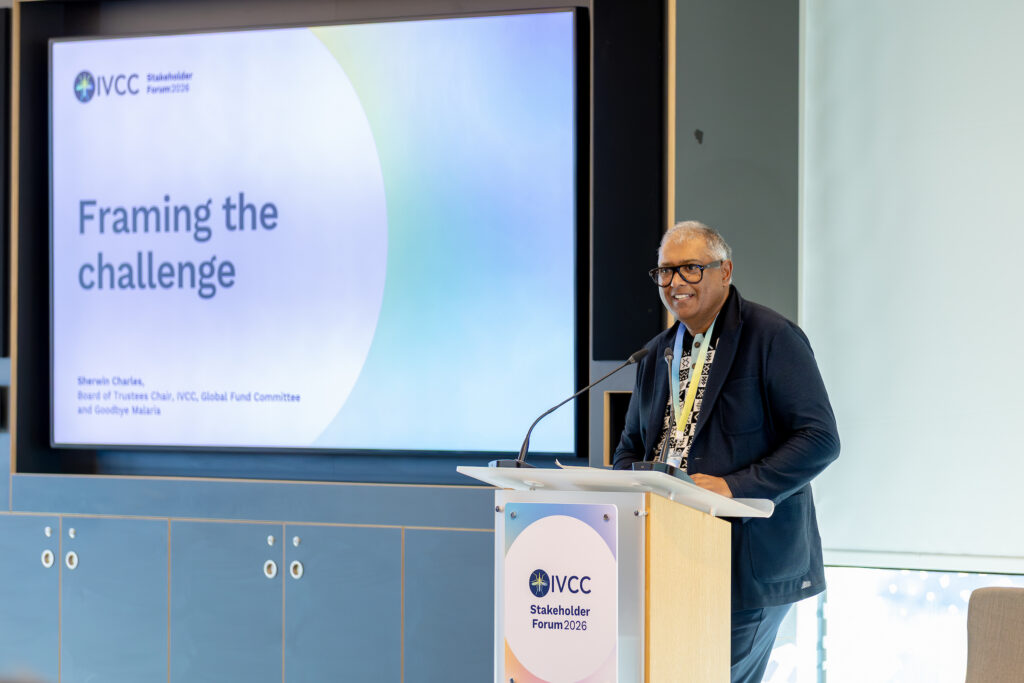
“Vector control is not failing, but the environment around it has changed faster than we can organise ourselves,” said Sherwin Charles, Chair of the IVCC Board of Trustees and CEO of Goodbye Malaria, in his opening address.
Protecting progress in a changing landscape
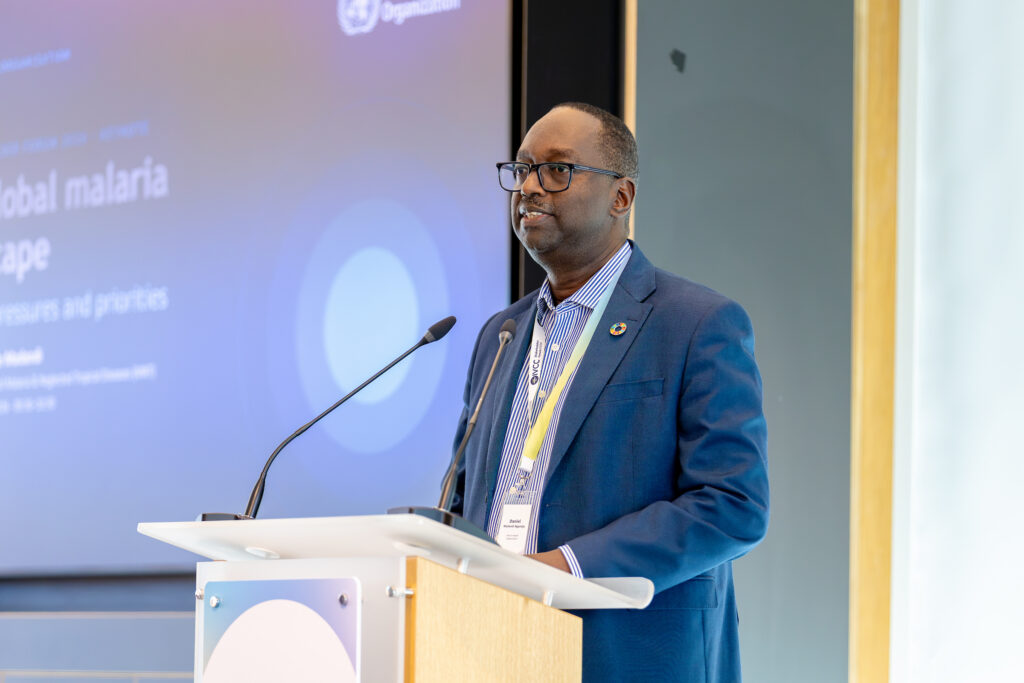
Sherwin Charles’s opening address and a plenary by Dr Daniel Ngamije of the World Health Organization (WHO) set the context for discussions on the global malaria landscape, the pressures threatening progress, and the priorities ahead.
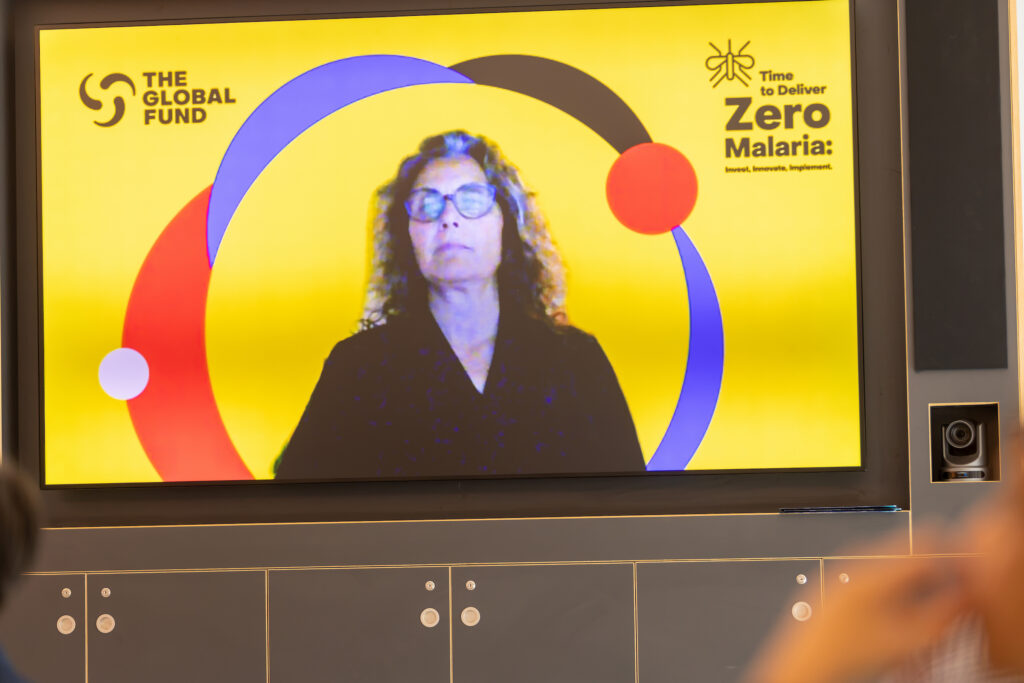
The session on the changing funding landscape brought together perspectives from Dr Sussann Nasr of The Global Fund to Fight AIDS, Tuberculosis and Malaria. and Alison Wheeler of United to Beat Malaria. It explored how decisions about affordability, value and long-term impact affect vector control. Discussions highlighted that the challenge extends beyond overall funding levels to how priorities are set, value is assessed, and benefits beyond immediate efficacy are recognised.
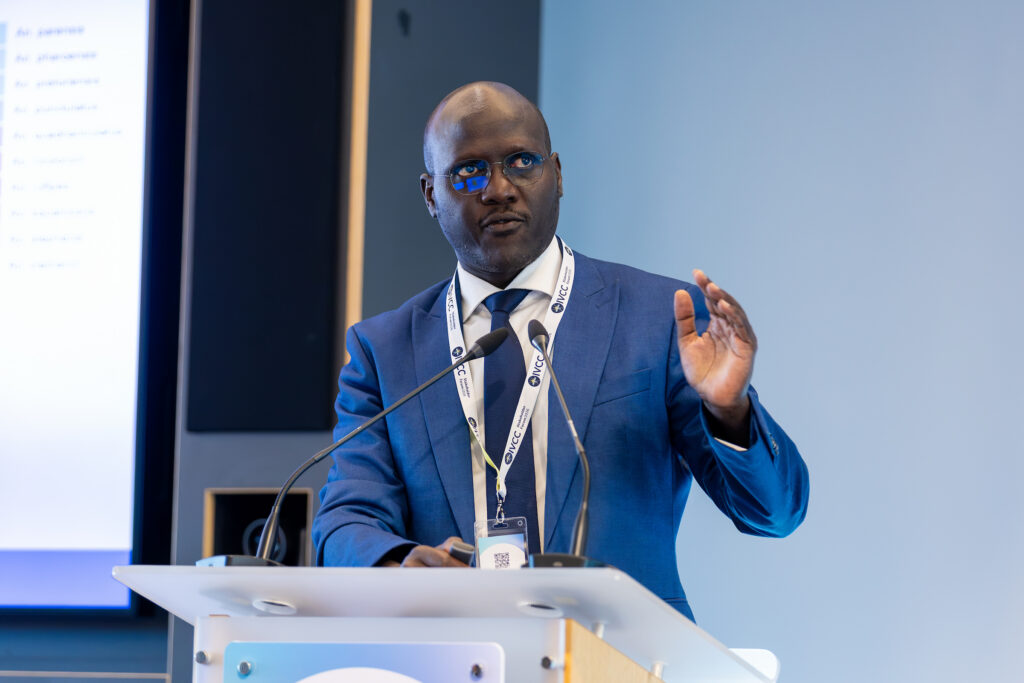
Insecticide resistance was a focus throughout the Forum. Victoria Ingham of Heidelberg University and Dr Kibor Keitany of Kenya’s National Malaria Control Programme brought scientific and country perspectives to the challenge, while WHO’s Emmanuel Chanda addressed the role of insecticide resistance management in protecting intervention effectiveness.
These discussions highlighted the need to consider stewardship alongside innovation. Protecting the tools available today, and introducing new modes of action appropriately, will help determine how long interventions remain effective.
Dr Ngamije emphasised the importance of monitoring insecticide resistance and adapting vector control decisions to local conditions, helping countries select tools that remain effective against the vectors they face. “Just imagine if we keep distributing tools that are no longer effective.”
Aligning innovation with country priorities
A panel moderated by Dr Eric Ochomo of Kenya Medical Research Institute asked whether the sector is solving the right problems. Dr Paul Hilarius Asiwome Kosi Abiwuc of Ghana’s National Malaria Elimination Programme; Achim Reddig of BASF; Thomas Putzer of SC Johnson and Dr Corine Ngufor of the African Institute for Research in Infectious Diseases / Liverpool School of Tropical Medicine explored priority gaps and the alignment between programme needs and potential solutions.
The relationship between product development and country priorities remained central on the second day. IVCC’s Director of Portfolio and Market Access, Mathias Mondy, addressed innovation, new modes of action and the future of vector control, including the need to protect existing active ingredients against resistance while bringing forward alternatives.
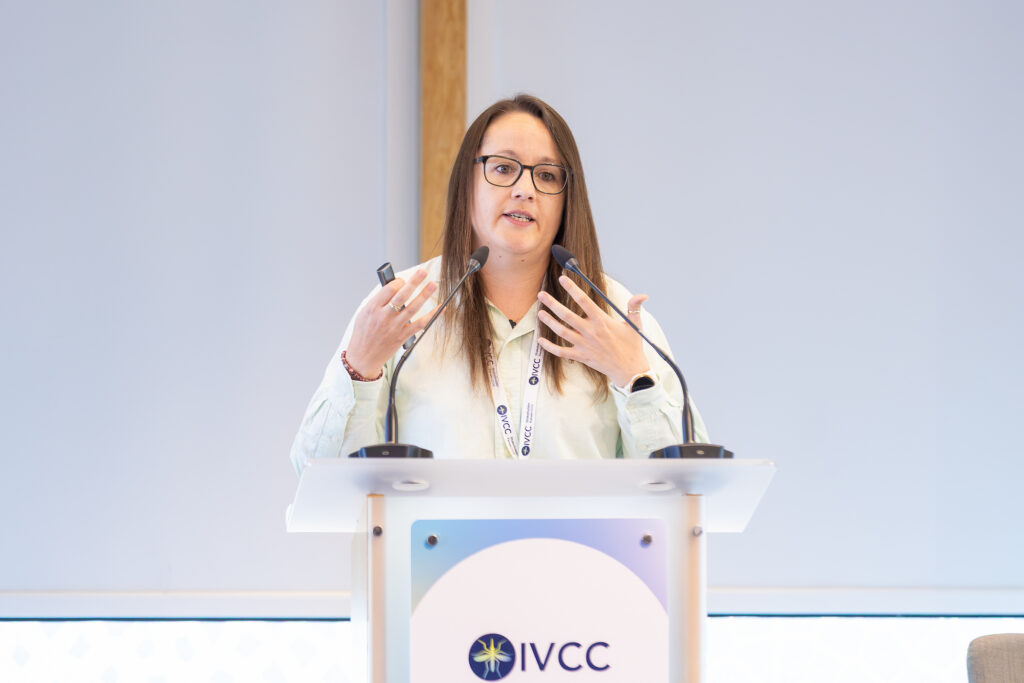
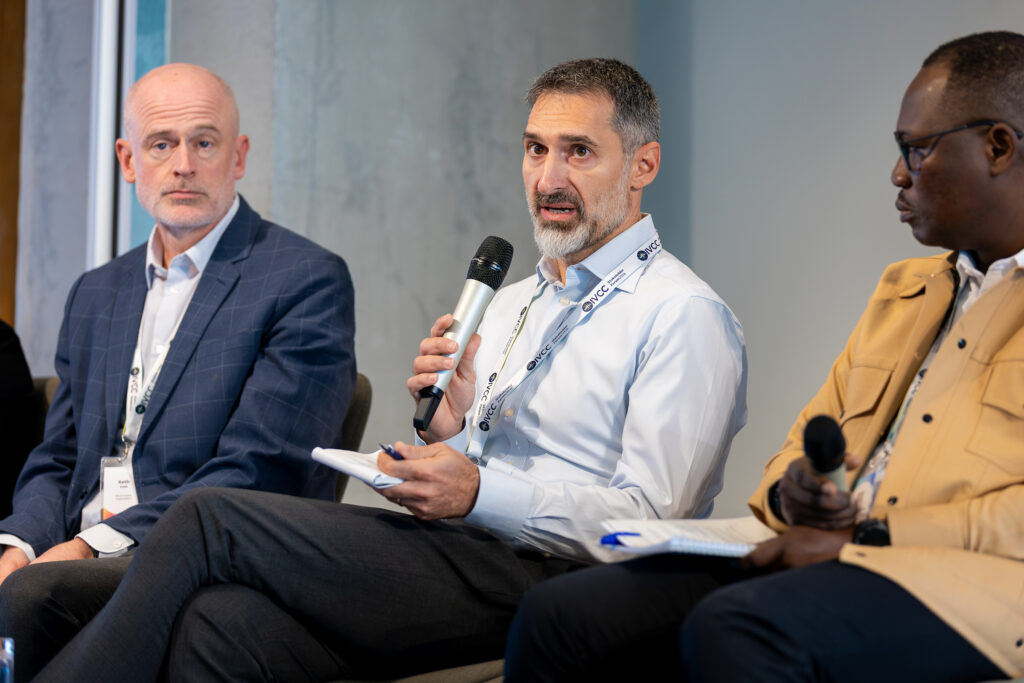
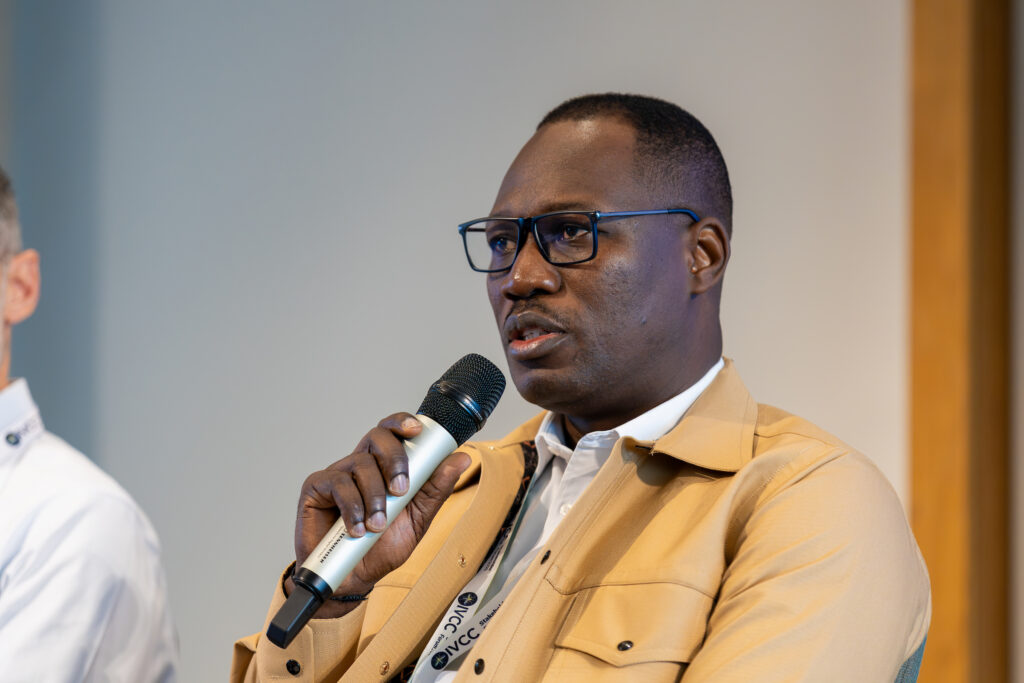
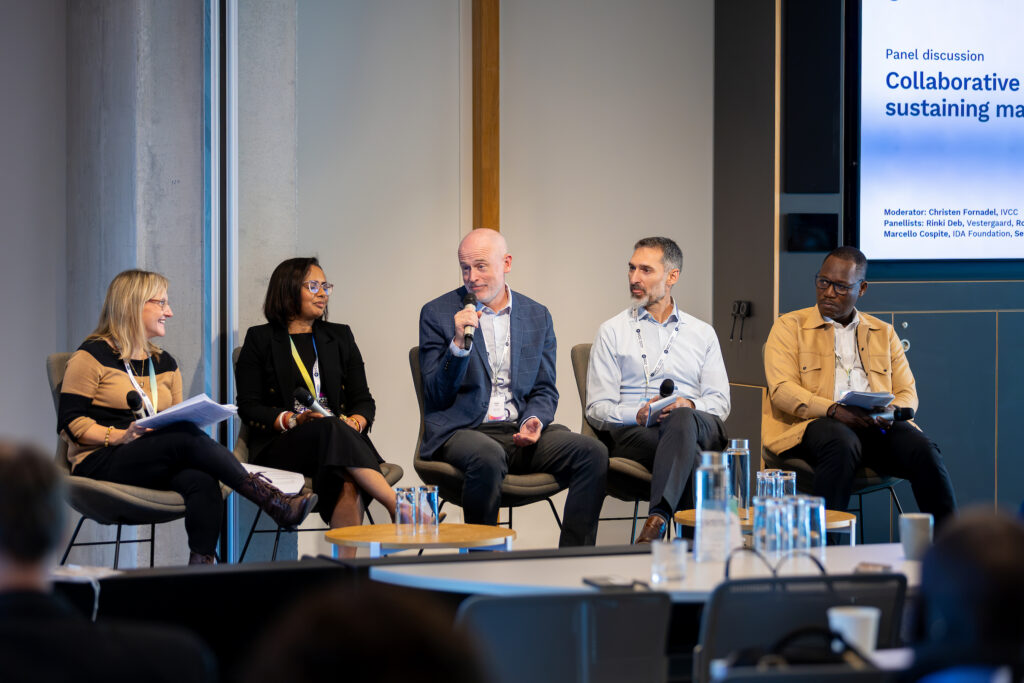
IVCC’s Senior Technical Coordinator, Christen Fornadel, then moderated a panel exploring collaborative solutions to sustain malaria impact, with panellists including Dr Rinki Deb of Vestergaard, Marcello Cospite of the IDA Foundation, Dr Seth Irish of WHO and Dr Rock Yves Aïkpon Benin’s National Malaria Control Programme. Topics included adapting global guidance to country contexts, the effect of procurement cycles on the sustainable introduction of new products and considering products’ end of life from the outset.
Across these sessions, the Forum examined the steps between developing a promising product and achieving sustained public health impact. Evidence, policy, financing, procurement, manufacturing, reliable supply chains and programme capacity all influence whether innovations reach the people who need them most.
A recurring theme was the need for partners to work together earlier, enabling country priorities to shape innovation while barriers to product introduction are addressed during development.
“Innovation works best when it’s built with countries and not only for countries,” said Dr Rock Yves Aïkpon of Benin’s National Malaria Control Programme.
Strengthening partnerships for sustained impact
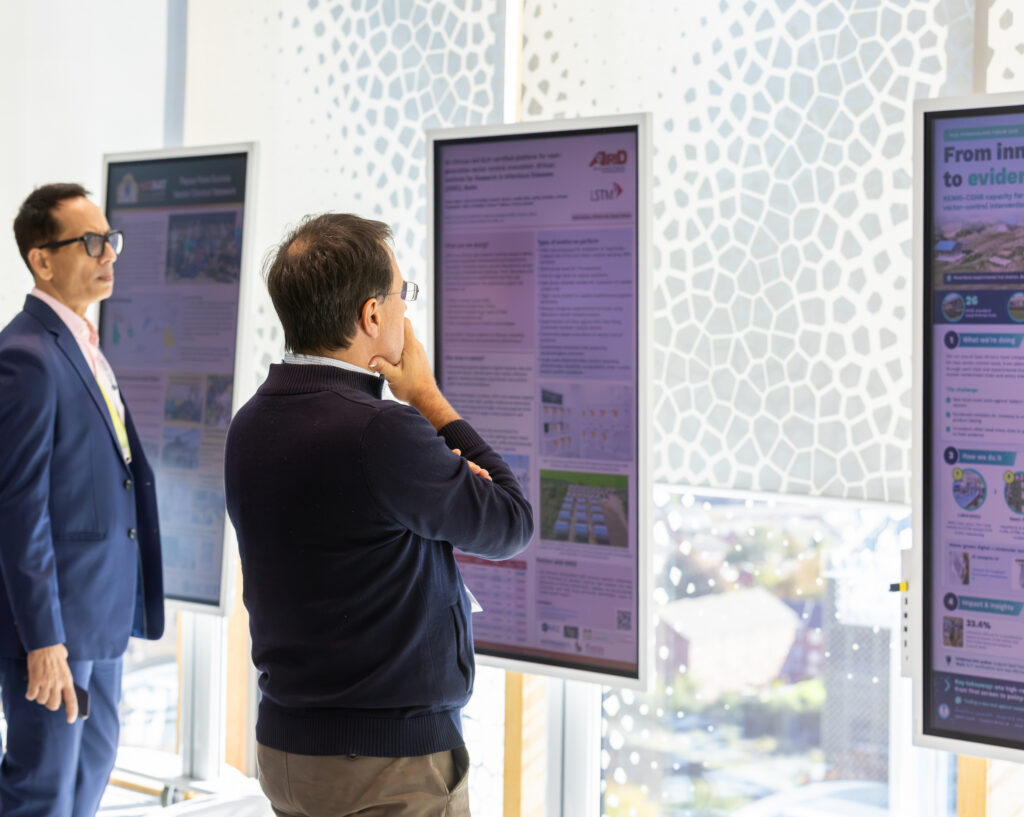
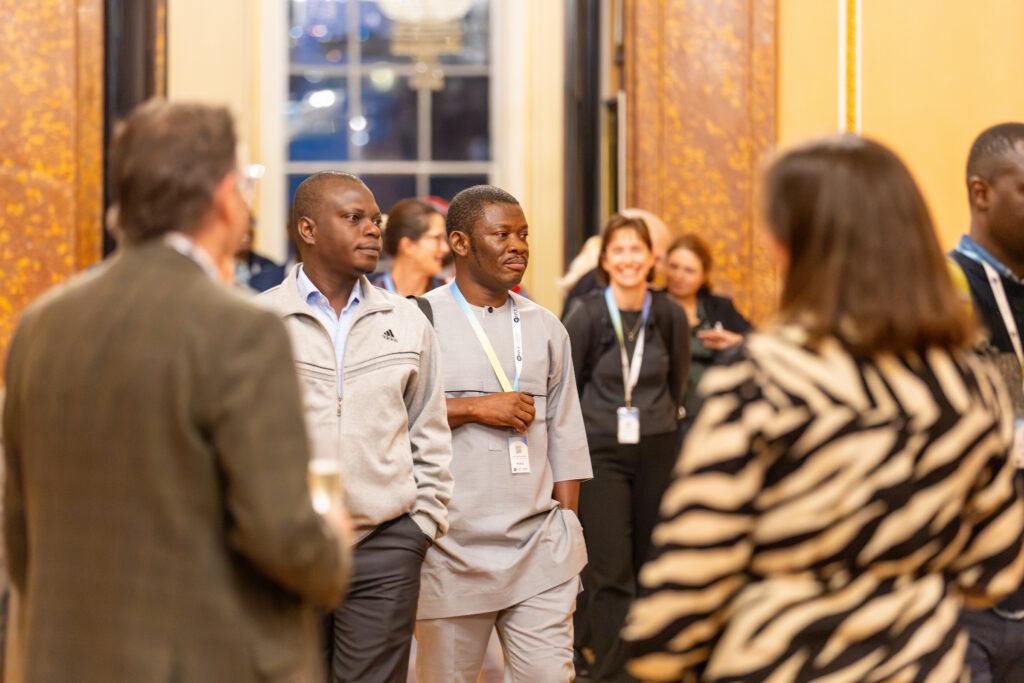
The programme also included a Poster Showcase featuring contributions from 11 organisations, providing an opportunity to share research and experience from across vector control and continue conversations beyond the plenary sessions.
A closing plenary featuring Joy Phumaphi of the African Leaders Malaria Alliance and Sherwin Charles considered the pathway towards malaria elimination.
In his closing reflections, Sherwin emphasised the need for clear priorities and investment that recognises the longer-term value of protecting vector control effectiveness. With resources constrained, partners face difficult choices about which problems to address and how best to support countries.
The Forum reinforced that sustaining vector control’s impact will depend on continued collaboration across research, industry, funders, global institutions, and malaria programmes, with country priorities at the centre.
IVCC thanks all speakers, panellists, moderators, poster contributors and participants for sharing their expertise and perspectives.
Watch the Stakeholder Forum recording here:
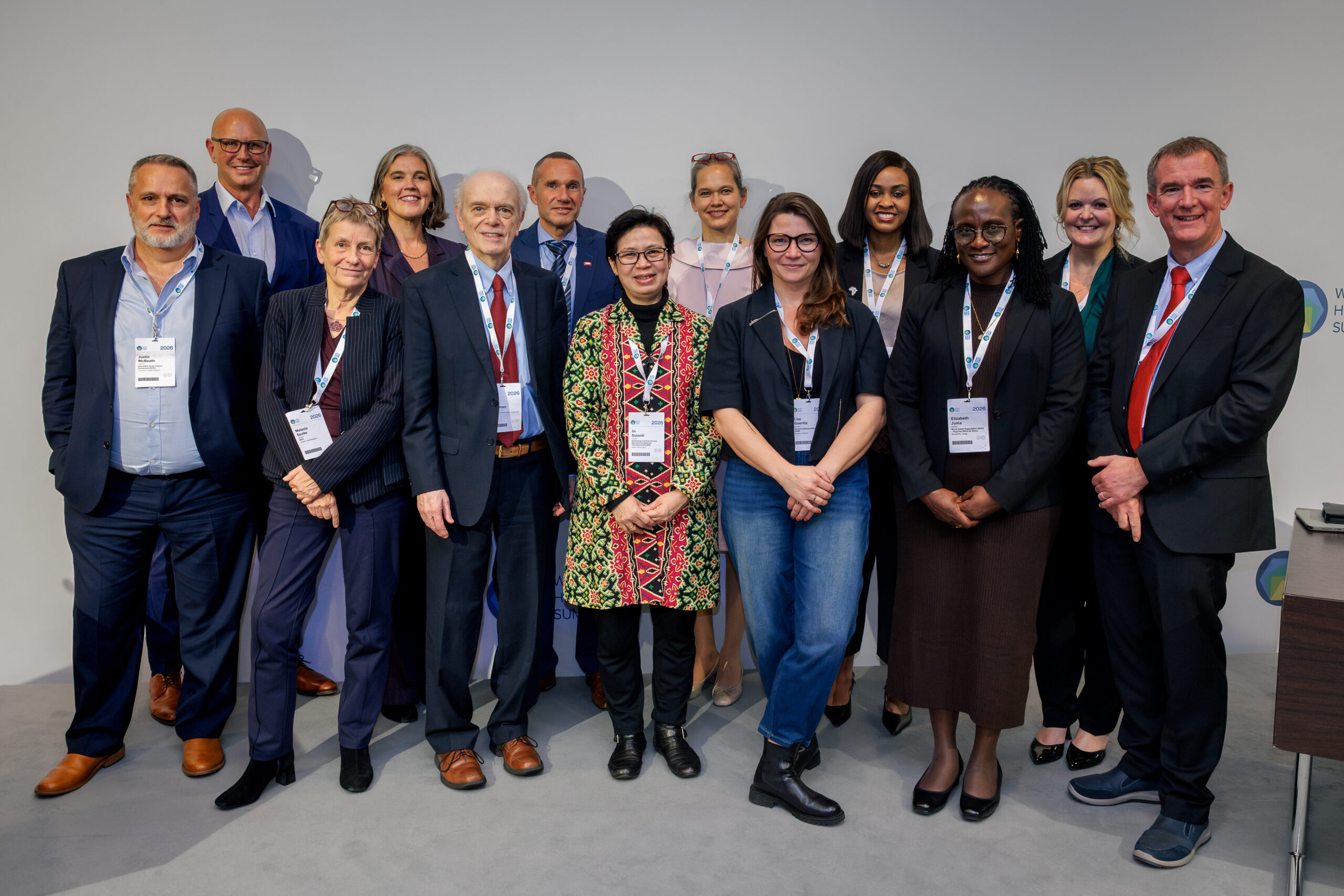
View the photos below: