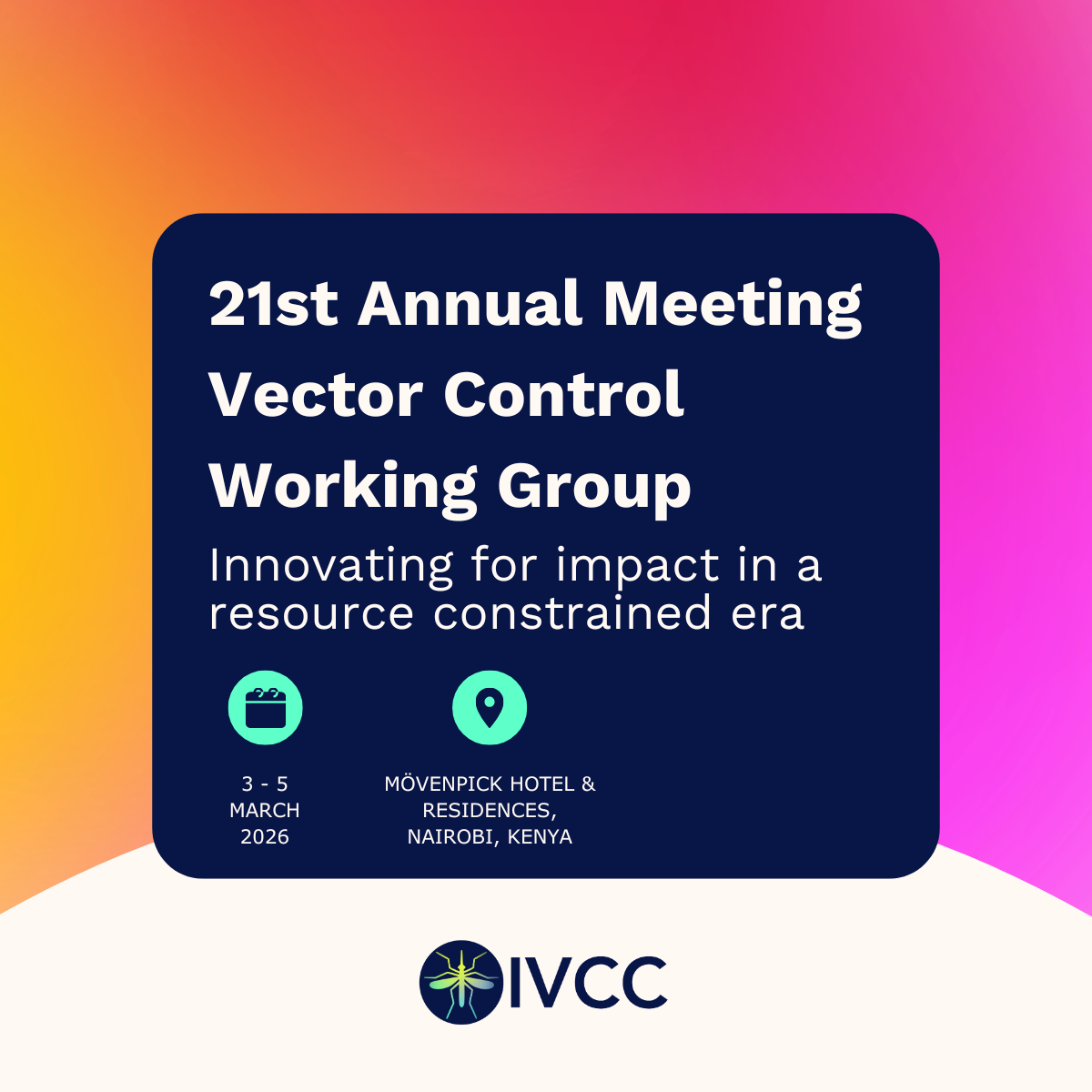
As funding pressures reshape global health priorities, maintaining momentum against malaria depends more than ever on strong evidence, coordinated action, and tools that reach the communities that need them most. Against this backdrop, IVCC colleagues recently joined partners from across the global malaria community at the RBM Partnership Vector Control Working Group (VCWG) workshop, held in Nairobi from 3 to 5 March 2026.
This year’s meeting was the most attended VCWG to date, with more than 350 participants representing research institutions, industry, national malaria programmes, donors, and global health organisations.
IVCC colleagues played an active role across the programme. Christen Fornadel, Senior Technical Coordinator, co-led Work Stream 1 on enhancing the impact of core vector control interventions. Janneke Snetselaar, Senior Technical Manager, led discussions on insecticide resistance monitoring and moderated panel sessions on maintaining high-quality resistance data in resource-constrained settings. Andrew Saibu co-led discussions on private sector financing and engagement.
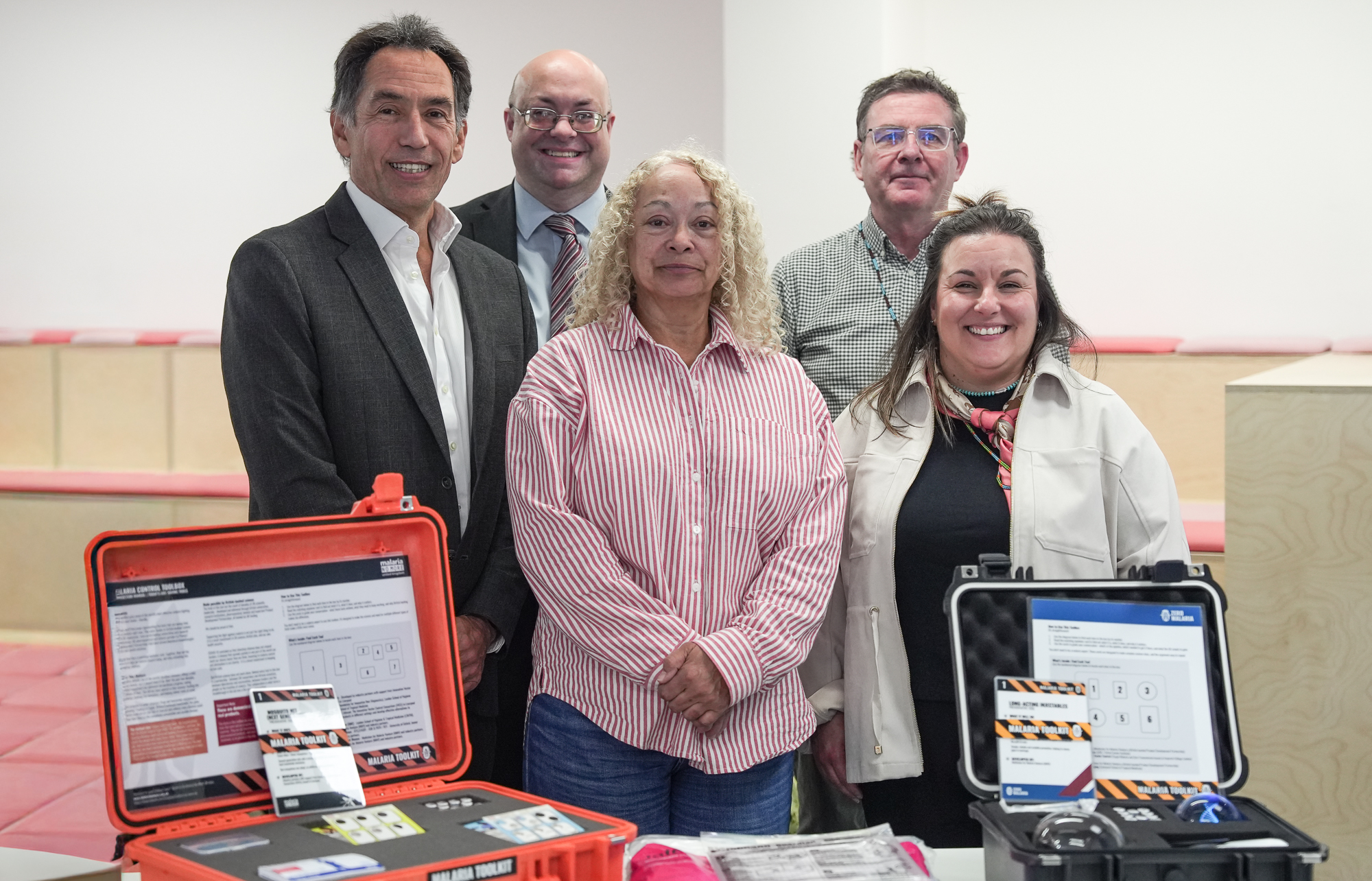
Dr Tasmin Symons, Model Development Lead from the Malaria Atlas Project, presented new analysis of the long-term impact of vector control across Africa, drawing on findings from ‘The changing impact of malaria control in Africa 2000–2025‘, with attendees highlighting the practical value of the findings.
IVCC also hosted a kiosk showcasing key MAP research findings and convened two dedicated workshops: a country engagement workshop with national malaria programme representatives and a safeguarding workshop reinforcing IVCC’s commitment to responsible partnership across its work.
Participation in VCWG 2026 underscored that collaboration across sectors and evidence-based decision-making are essential to ensuring vector control tools reach the communities that need them most.